Tired of trying countless products that don’t deliver results for your acne, lingering pigmentation, or concerns about aging? Achieving truly healthy, beautiful skin often requires more than just an over-the-counter routine. This is where professional guidance and advanced solutions come in. We understand that finding the right dermatologist-recommended treatments, especially within the world of modern aesthetic medicine and laser technologies, can be overwhelming. And that’s why we have created this comprehensive guide that cuts through the confusion, and offers clear, expert advice to help you solve your specific skin puzzles. Get ready to discover the powerful, proven paths that will transform your complexion and answer all your questions about advanced skin care.
- Acne & Acne Scar Treatments
- What Causes Acne?
- Types of Acne
- Best Dermatologist-Recommended Acne Treatments
- Acne Scar Treatments
- Acne Treatment Cost Breakdown
- Pigmentation & Melasma Treatments
- What Causes Pigmentation?
- Best Treatments for Pigmentation
- Melasma Treatment: Special Considerations
- Pigmentation Treatment Cost in India
- Anti-Aging & Skin Rejuvenation
- Signs of Premature Aging
- Best Anti-Aging Dermatology Treatments
- Laser-Based Skin Solutions
- How Lasers Work?
- Types of Cosmetic Lasers Explained
- Popular Laser Skin Treatments
- Safety Considerations for Indian Skin
- Pain, Downtime & Aftercare
- Laser Treatment Cost Range in India
- Choosing the Right Treatment
- How Dermatologists Evaluate Your Skin?
- Treatment Comparison Chart (H2)
- Frequently Asked Questions
Acne & Acne Scar Treatments
Acne doesn’t always stop at breakouts, persistent inflammation can damage deeper skin layers and lead to long-term scarring. Early treatment helps control this inflammation before it affects collagen and prevents marks that take much longer to reverse later, which is why many people look for the best acne treatment at the right time.
What Causes Acne?
Acne develops because the skin’s oil production, pore blockage, bacterial activity and hormonal influences work together to trigger inflammation. Understanding which factor dominates helps choose treatments that address the root of the pimple treatment rather than only surface pimples.
Contributors include:
- excess oil (sebum)
- dead cells blocking pores
- bacterial overgrowth
- inflammation
- hormonal fluctuations
- diet, stress and lifestyle
Types of Acne
Different acne types indicate different levels of inflammation, depth and risk of scarring:
- Blackheads/Whiteheads: early congestion
- Papules/Pustules: inflammatory pimples
- Nodules/Cysts: deeper painful lesions
- Acne with scarring: long-standing inflammation
Deeper nodulocystic acne is more likely to leave permanent texture change.
Best Dermatologist-Recommended Acne Treatments
Modern acne treatment focuses on reducing inflammation, regulating oil and preventing scars, not just clearing pimples.
Medications
When acne is persistent, severe, or worsens predictably around hormonal cycles, it often signals a deeper need to control internal inflammation and excess oil production. Topical creams alone may not be enough to break the cycle. Medications, both oral and topical, are crucial tools for controlling inflammation and sebum when breakouts are stubborn. It is often essential to first use medications to calm active inflammation, as many advanced aesthetic treatments cannot be performed on actively breaking out skin.
Chemical Peels
Chemical peels gently exfoliate the upper layers of skin to unclog pores and reduce buildup that leads to breakouts. They also help lighten post-acne marks and maintain a smoother surface over repeated sessions. They are not recommended for severe and active cystic acne.
Laser Treatment for Active Acne
Laser therapy helps calm deeper inflammatory lesions that often turn into scars later. It’s commonly introduced when acne keeps returning despite regular care and topical treatments.
Acne Scar Treatments
Acne can eventually lead to visible textural changes and scars if inflammation remains active for a prolonged period of time. Once scars form, the concern shifts from active breakouts to repairing damaged collagen and uneven texture. Scar management focuses on rebuilding skin structure, not just lightening dark marks, and usually works best with a combination of techniques.
Microneedling
If deep marks remain even after acne has settled, microneedling stimulates collagen and helps smooth uneven texture. Most sessions are spaced a few months apart, depending on healing and scar depth.
PRP Therapy
PRP uses growth factors from your own blood to support healing and enhance results after scar treatments. It is frequently paired with microneedling to strengthen collagen repair and overall texture improvement.
Fractional CO₂ Laser
Moderate to deeper acne scars often respond well to fractional CO₂ resurfacing because it targets deeper layers where structural damage happens. This option is generally selected when milder procedures haven’t given enough improvement.
TCA Cross
Very narrow, ice-pick scars respond better to TCA Cross because it stimulates collagen inside each scar opening directly at the base. It is focused only on specific scar points rather than the entire face.
Subcision
If scars look pulled down or feel tethered, subcision breaks the fibrous bands beneath the skin so the indentation can lift. It is commonly done before resurfacing procedures to maximise effectiveness.
Scar Combination Treatments
Most people have more than one scar type, so combination plans address different depths within the same treatment course. Layered approaches usually produce more even and balanced texture improvement.
Acne Treatment Cost Breakdown
Costs depend on whether the goal is early control, long-standing acne management or full scar revision. Early intervention is often more affordable than correcting deeper inflammation and scarring later.
Pigmentation & Melasma Treatments
Even after acne settles, pigmentation like dark spots or uneven tone may remain, especially after inflammatory acne. In other cases, pigmentation develops from sun exposure or hormonal changes. Addressing pigment early prevents deeper and more stubborn patches later.
Without early intervention, these patches can evolve into more persistent forms such as melasma.
What Causes Pigmentation?
Pigmentation results from increased or uneven melanin activity. Several triggers may push melanocytes into overdrive, so identifying the cause helps choose the right treatment.
Triggers include:
- Sun exposure
- Hormones
- Heat
- Inflammation
- Genetics or certain medications
Best Treatments for Pigmentation
Pigmentation treatments aim to reduce melanin production, fade existing pigment and prevent recurrence, with gradual improvement over time.
Chemical Peels
Superficial peels help remove surface pigment and brighten dull skin gradually, making them a common approach for skin whitening treatment in controlled and medically safe ways.
Laser Toning / Q-Switch Laser
Laser toning targets deeper melanin deposits and works gradually across sessions, especially for stubborn pigmentation. It’s useful when pigment remains even after creams and peels.
Medifacials
Medifacials gently hydrate and brighten pigment-prone skin without causing irritation. They help maintain results between treatments and support overall skin health.
Topical Lightening Agents
Ingredients such as tranexamic acid, arbutin and kojic acid help regulate melanin formation and prevent new patches. They are typically used as long-term maintenance to support results.
Melasma Treatment: Special Considerations
Among different types of pigmentation, melasma is particularly stubborn due to internal triggers like hormones and heat. This makes it more prone to recurrence and requires a different, more cautious approach than regular dark spots.
Pigmentation Treatment Cost in India
Costs depend on depth and spread of pigment, number of sessions and type of treatment used, especially for pigmentation treatment in Kochi, where pricing varies by clinic.
Anti-Aging & Skin Rejuvenation
Anti-aging begins with internal changes like collagen breakdown and slower cell turnover. These gradually show up as fine lines, dullness and uneven texture.
Signs of Premature Aging
Early signs include:
- Fine lines
- Uneven tone
- Visible pores
- Loss of elasticity
- Dullness
- Mild sagging
Best Anti-Aging Dermatology Treatments
Treatment focuses on stimulating collagen, improving texture and slowing visible aging.
Microneedling
Microneedling encourages collagen production and improves early laxity, making skin look firmer and more refined. It works well when dullness and surface texture begin to change.
PRP
PRP adds a regenerative boost by using your own growth factors to support collagen and repair. This helps improve radiance, texture, and overall skin quality when paired with other treatments.
Anti-Aging Peels
Anti-aging peels promote faster cell turnover and soften early fine lines. They are often part of preventive care when someone notices early dullness or loss of smoothness.
Laser Resurfacing
Laser resurfacing targets more established wrinkles by remodeling deeper skin layers. It is chosen when fine lines become more visible or when other measures are not enough by themselves.
Anti-Aging Treatment Cost in India
Preventive treatments are usually more affordable than advanced rejuvenation procedures needed later.
Laser-Based Skin Solutions
Laser treatments directly target deeper layers of skin where pigmentation, scars and aging changes actually form, something skincare products simply cannot reach. The goal is not just visible improvement on the surface but subtle structural changes beneath the skin that deliver long-term benefits. Lasers are usually considered once topical treatments have plateaued or when concerns are already deeper or chronic.
How Lasers Work?
Each laser technology uses a specific wavelength of light to target a particular issue, whether it’s pigment, vascular components, inflammation, or collagen breakdown. This selective approach helps treat only the concern (like melanin) without harming the surrounding skin. With controlled energy, the skin begins a healing and remodeling process, leading to tighter, clearer and more even-looking skin over time.
Types of Cosmetic Lasers Explained
Different lasers have different roles depending on the concern, depth and duration.
Fractional Non-Ablative Lasers
These focus on stimulating collagen without removing the top layer of skin, making them ideal for early texture improvement, fine lines and mild scarring. They generally have shorter downtime and gentler recovery.
Fractional CO₂ Laser
Fractional CO₂ targets deeper structural issues, which is why it is preferred for established acne scars and deeper wrinkles. Because it remodels collagen from within, results are more dramatic, but downtime is slightly longer compared to non-ablative options.
Q-Switch Laser / Laser Toning
Q-Switch lasers specifically target melanin and stubborn pigmentation without harming the surrounding tissue. They are commonly used for melasma, sun spots and post-acne pigmentation in medium to darker skin tones.
Low-Level Laser or Gentle Rejuvenation Lasers
These are mild treatments used to maintain overall radiance, support ongoing collagen production, and gradually slow the appearance of aging without downtime.
Popular Laser Skin Treatments
- Laser Toning for pigmentation and melasma
- Fractional CO₂ for acne scars and wrinkles
- Non-ablative resurfacing for texture and fine lines
- Combination protocols when multiple concerns exist
Many dermatologists layer laser therapy with peels, microneedling or PRP to achieve deeper, more sustained improvements rather than addressing only one issue.
Safety Considerations for Indian Skin
Lasers for Indian skin need careful wavelength selection because deeper skin tones can easily develop post-inflammatory pigmentation if treated too aggressively. Modern devices and controlled settings significantly reduce this risk. Choosing an experienced dermatologist, appropriate laser type and correct post-care are crucial for safe results.
Pain, Downtime & Aftercare
Most laser treatments involve mild discomfort described as heat or pricking sensation. Redness or sensitivity may last a few hours to a few days depending on the depth and intensity of treatment. Strict sun protection, gentle skincare and avoiding irritants are essential to prevent temporary pigmentation after a laser session.
Laser Treatment Cost Range in India
Laser costs depend on:
- device type (CO₂ vs Q-switch vs non-ablative)
- number of sessions required
- area treated
- severity of concern
Scars and melasma usually need more sessions, while general rejuvenation may need fewer. Results typically build over multiple appointments rather than a single treatment.
Choosing the Right Treatment
Choosing the right treatment depends on your main concern, whether it’s acne, pigmentation or aging. Consulting a qualified skin clinic in kochi helps ensure your plan is matched to your skin type and long-term goals.
For example, active acne needs inflammation control first, while pigmentation needs melanin regulation, and aging requires collagen stimulation. The aim is not to chase symptoms, but to treat the underlying process that is causing them.
How Dermatologists Evaluate Your Skin?
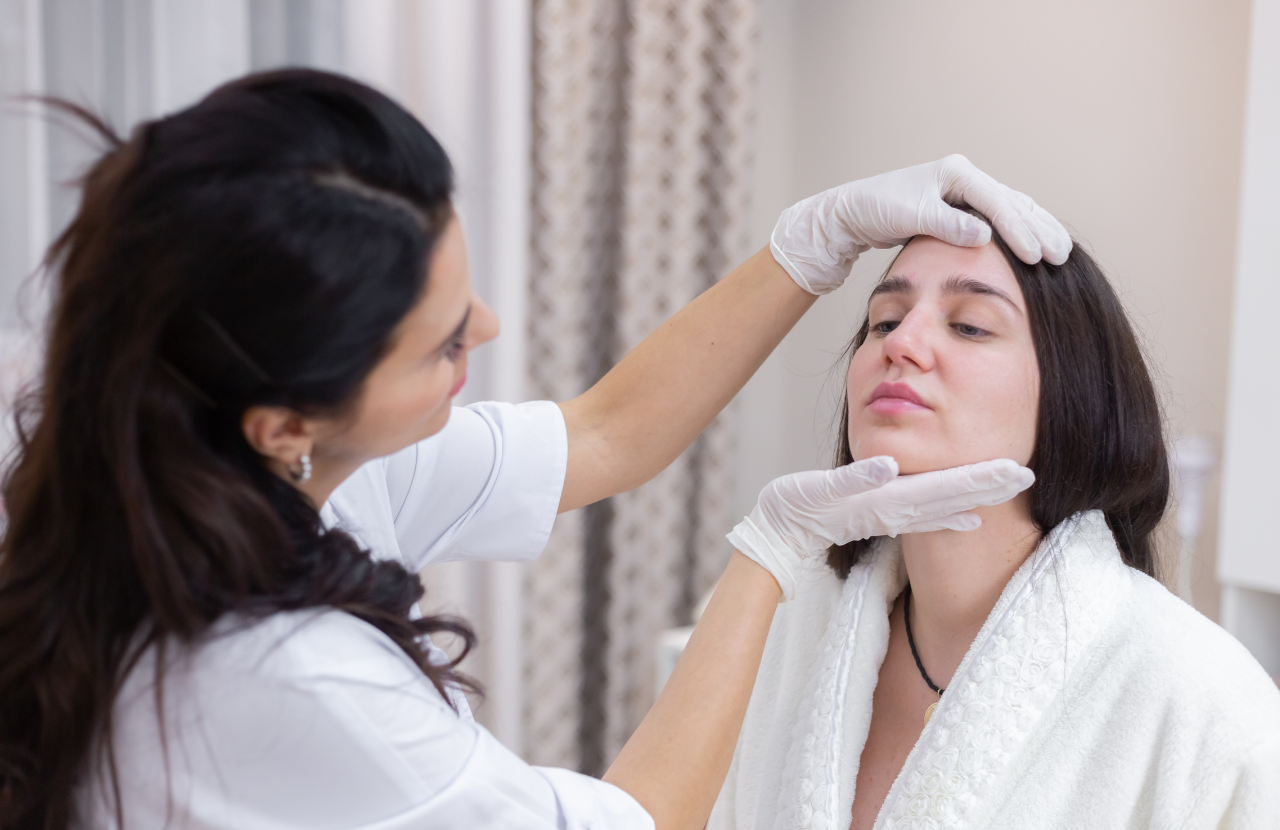
Dermatologists evaluate underlying causes and suggest treatments based on concern severity and depth. A professional dermatologist in kochi will assess skin tone, pigmentation risk and sensitivity before recommending procedures.
What They Look At?
Dermatologists evaluate several factors including:
- depth (surface vs deeper layers)
- duration (new vs chronic)
- triggers (hormonal, sun, inflammation)
- past treatments
- sensitivity + skin type
- tendency for pigmentation after procedures
This initial evaluation helps determine whether your skin needs topical care, procedural treatments or a combined approach to address the concern at its root level.
Why Does This Matters?
Two people may show the same concern on the surface, but the root cause can be completely different. Treating without identifying the mechanism often leads to recurrence or minimal improvement.
Personalisation and Safety
A personalised plan ensures that the treatment chosen is effective while being safe, especially for Indian skin, where pigmentation risk and sensitivity must be considered during procedures such as peels or lasers.
Treatment Comparison Chart (H2)
Here’s a simple comparison of where each major category of treatment works best and what it typically addresses:
| Treatment Type | Best For |
| Chemical Peels | Early acne marks, tanning, pigmentation, dullness |
| Medications (Topical / Oral) | Active acne, hormonal acne, acne inflammation |
| Laser Toning / Q–Switch Laser | Melasma, stubborn pigmentation, uneven tone |
| Fractional CO₂ Laser | Acne scars, deeper wrinkles, texture damage |
| Fractional Non-Ablative Laser | Fine lines, early aging, mild texture issues |
| Microneedling | Acne scars, texture irregularities, early aging |
| PRP Therapy | Radiance, collagen repair, pigmentation maintenance |
| Anti-Aging Peels | Early signs of aging, fine lines, dullness |
| Subcision | Tethered / depressed acne scars |
| Topical Lightening Agents | Mild pigmentation, maintenance treatment |
| Medifacials | Hydration, radiance, pigment-prone skin maintenance |
Frequently Asked Questions
How do I know which treatment is right for me?
It depends on what the primary concern is, active acne, scars, pigmentation or early aging. The correct approach is based on evaluation of depth, duration and triggers. A dermatologist will recommend options depending on whether the concern is inflammatory, pigment-based or collagen-related.
Should I treat acne first or pigmentation first?
Active acne should always be controlled before tackling pigmentation or scars. Treating pigmentation while acne is still active often leads to recurrence and longer treatment time.
What is the ideal age to start anti-aging treatments?
Anti-aging is more effective when started early because collagen decline begins in the mid-20s. Preventive care slows visible aging and often reduces the need for aggressive treatment later.
How much do treatments cost in India?
Costs vary depending on concern severity, number of sessions and type of technology used. Acne and pigmentation start at lower ranges, while scar correction, melasma and advanced rejuvenation may require a longer plan and higher investment.
Can I combine multiple treatments?
Yes, combination protocols are common because most concerns have more than one underlying factor. Layering approaches can address different depths simultaneously and improve overall outcomes.