
loader image

Skin Care Routine for Oily, Dry, and Sensitive Skin

Many people follow skincare routines consistently, invest in multiple products, and still struggle with breakouts, dryness, or irritation. In most cases, this is not because skincare is ineffective, but because the routine does not align with how their skin actually behaves. Skincare formulas are designed for specific skin needs, and when those needs are misunderstood, even good products can create problems. In this guide, we explain why skincare routines must be skin-type specific and outline clear, step-by-step routines for oily, dry, and sensitive skin, focusing on what each skin type truly needs to function well.

Why Must Skincare Routines Be Skin-Type Specific?

Before discussing individual routines, it is essential to understand why skincare cannot follow a single universal formula. Skin behaves differently depending on oil production, hydration levels, and barrier strength, and these differences directly influence how skin responds to products, weather, and daily care.

Oily skin produces excess sebum and is more prone to clogged pores and acne. Dry skin lacks sufficient moisture and protective lipids, making it vulnerable to dehydration and irritation. Sensitive skin has a compromised barrier that reacts easily to environmental stress and ingredients. Because these skin types face fundamentally different challenges, each requires a routine designed to solve its dominant concern rather than applying the same steps across the board.

With this foundation in place, let us look at how an effective routine should be structured for each skin type.

Skincare Routine for Oily Skin

Oily skin is often mismanaged because oil is mistaken for hydration. The result is aggressive cleansing, skipped moisturizers, and frequent breakouts. The goal of an oily skin routine is not to remove all oil, but to regulate oil production while keeping pores clear and the skin adequately hydrated.

Step 1: Cleansing

Every person with oily skin should cleanse twice daily using a gentle, oil-free cleanser.

Cleansing removes excess sebum, sweat, sunscreen residue, and environmental pollutants that accumulate on the skin throughout the day. However, harsh cleansers strip the skin of its natural oils, which triggers the skin to produce even more oil as a defense mechanism. A suitable cleanser should leave the skin feeling clean and refreshed, not tight or dry.

Step 2: Exfoliating

Once cleansing is established, exfoliation plays a key role in preventing clogged pores.

Exfoliating two to three times per week helps remove dead skin cells that mix with oil and block pores. Chemical exfoliants are generally more effective for oily skin because they work within the pore rather than scrubbing the surface. Daily exfoliation should be avoided, as it increases inflammation and weakens the skin barrier.

Step 3: Toning

After cleansing and exfoliation, toning helps restore balance.

An oil-balancing toner removes residual impurities, refines the appearance of pores, and brings the skin back to its natural pH level. This step also prepares the skin to absorb moisturizer more effectively and helps reduce excess shine over time.

Step 4: Moisturising

Moisturizing is a critical step for oily skin and should never be skipped.

When oily skin lacks hydration, it compensates by producing more oil. A lightweight, gel-based moisturizer hydrates the skin without clogging pores and supports healthy oil regulation throughout the day.

Step 5: Sun Protection

Sun protection completes the oily skin routine.

Daily sunscreen use is essential because sun exposure increases inflammation, worsens acne marks, and accelerates skin aging. A non-comedogenic sunscreen designed for oily skin provides protection without heaviness or greasiness.

Skincare Routine for Dry Skin

While oily skin struggles with excess sebum, dry skin faces the opposite issue, insufficient moisture and a weakened protective barrier. Dry skin routines must therefore focus on restoring hydration and preventing further moisture loss.

Step 1: Cleansing

Dry skin should be cleansed using hydrating, cream-based cleansers.

These cleansers remove dirt and impurities without stripping the skin of its natural oils. Cleansing should leave the skin feeling comfortable and supple, not tight or flaky. Hot water should be avoided, as it further dehydrates the skin.

Step 2: Exfoliating

Exfoliation for dry skin should be gentle and infrequent.

Once a week is usually sufficient. Over-exfoliating damages the already compromised skin barrier and worsens dryness. Mild exfoliants help remove flaky skin and improve the absorption of moisturizers without irritation.

Step 3: Toning

Toners for dry skin should prioritize hydration.

Hydrating toners help replenish moisture after cleansing and prepare the skin to absorb nourishing products more effectively. This step is particularly helpful during summer or in air-conditioned environments.

Step 4: Moisturizing

Moisturizing is the most important step in a dry skin routine.

Rich, nourishing moisturizers help restore lost lipids and strengthen the skin barrier. Applying moisturizer on slightly damp skin helps lock in hydration and reduces moisture loss throughout the day.

Step 5: Sun Protection

Dry skin benefits from moisturizing sunscreens with SPF 30 or higher.

These sunscreens protect against UV damage while supporting hydration. Matte or drying sunscreen formulas should be avoided, as they can worsen tightness and irritation.

Skincare Routine for Sensitive Skin

For some individuals, the main challenge is not oil or dryness, but skin that reacts easily to products, heat, or friction. Sensitive skin requires a routine that minimizes irritation and supports long-term barrier repair.

Step 1: Cleansing

Sensitive skin should be cleansed with a gentle, fragrance-free cleanser.

The goal is to remove impurities without triggering redness, burning, or itching. Over-cleansing weakens the skin barrier and should be avoided.

Step 2: Exfoliating

Exfoliation should be minimal or avoided altogether.

If exfoliation is necessary, it should be done no more than once a week using very mild formulations. Many people with sensitive skin maintain better skin health by skipping exfoliation, especially during summer.

Step 3: Toning

Toners for sensitive skin should focus on soothing and calming the skin.

Alcohol-free formulations help reduce redness and support the skin barrier. Any toner that causes tingling or discomfort should be discontinued.

Step 4: Moisturizing

Moisturizing helps strengthen sensitive skin over time.

Calming, barrier-repair moisturizers reduce water loss and improve the skin’s ability to tolerate environmental stress. Application should be gentle, avoiding excessive rubbing.

Step 5: Sun Protection

Sun protection is essential for sensitive skin.

Gentle, broad-spectrum sunscreens help prevent UV-induced inflammation and barrier damage. Patch testing before regular use is strongly recommended or you must seek consultation from a dermatologist for an ideal skin care routine for your sensitive skin.

Frequently Asked Questions

  1. Can oily skin skip moisturizer in summer?

No. Skipping moisturizer often increases oil production and can worsen breakouts, even in hot or humid weather. A balanced skin care routine always includes hydration, regardless of skin type.

  1. How often should a skin care routine be changed?

A skin care routine should be followed consistently for four to six weeks to allow the skin to adjust and show results. If concerns persist beyond this period, seeking advice from a dermatologist can help identify underlying issues.

  1. Is exfoliation necessary for everyone?

No. Exfoliation depends on skin type and tolerance. People with sensitive or reactive skin may benefit from limiting or avoiding exfoliation, especially if irritation occurs.

  1. What SPF is recommended for daily use?

An SPF of 30 or higher is recommended for daily protection across all skin types. If sun exposure is prolonged or skin is highly sensitive, a dermatologist may suggest specific formulations to support your skin care routine.

  1. Does gender affect skincare routines?

Skin type and condition matter more than gender when designing a skin care routine. Persistent or severe concerns should be evaluated by a dermatology professional for personalized care.
Wisdom Tooth Pain: When to See a Dentist

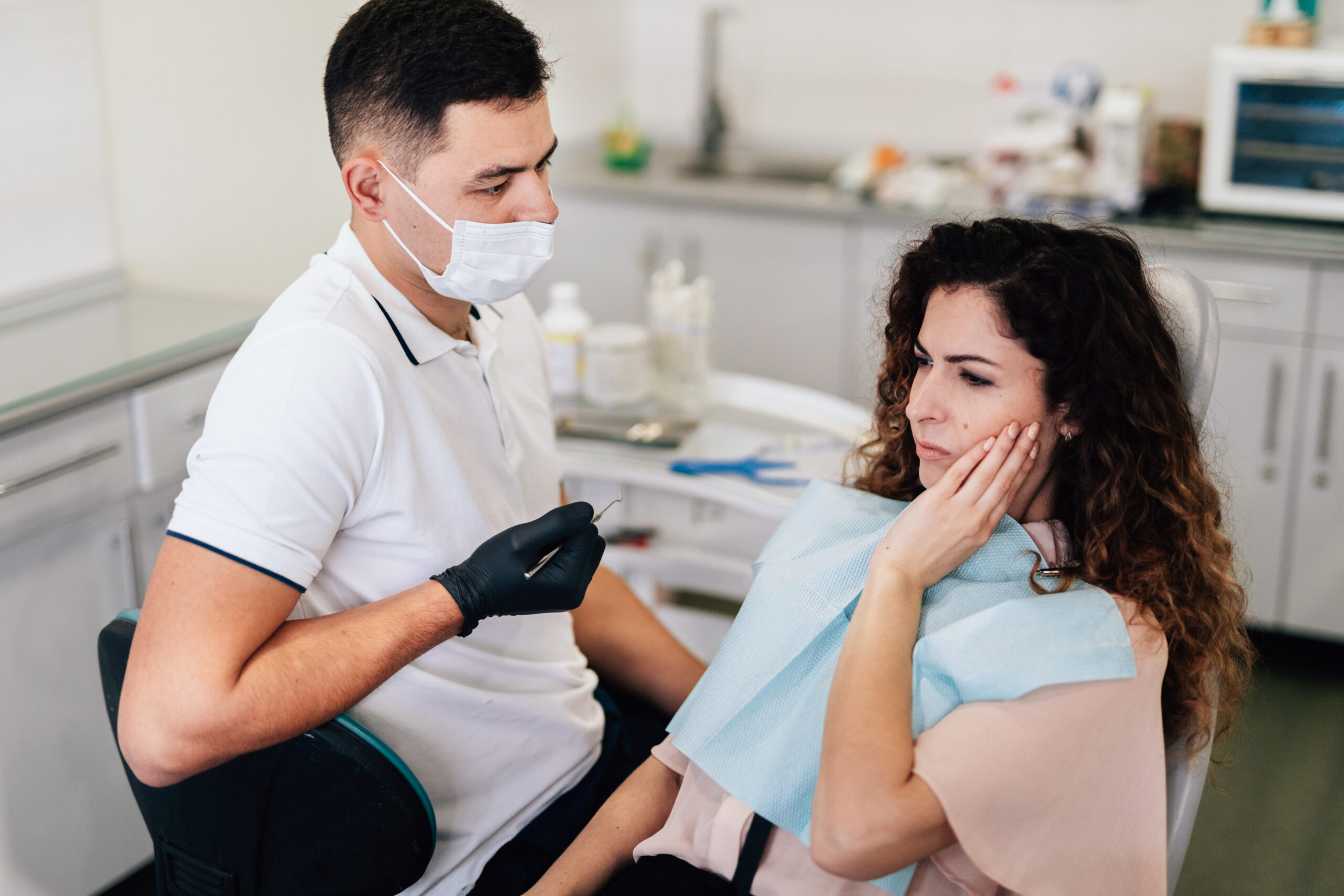
Wisdom tooth pain often starts subtly. A mild pressure at the back of your jaw, occasional soreness while chewing, or discomfort that comes and goes can feel easy to ignore. Many people assume it’s just part of wisdom teeth erupting and decide to wait it out. However, wisdom tooth pain isn’t always harmless. While some discomfort is temporary, ongoing pain can signal problems such as infection, impaction, or pressure on nearby teeth.

The real challenge is knowing when pain is normal and when it needs attention. This guide helps you understand what wisdom tooth pain means, recognize concerning signs early, and decide when seeing a dentist is the right next step.

What Are Wisdom Teeth?

Wisdom teeth are the third set of molars located at the very back of the mouth. They are usually the last teeth to emerge, which is why they often cause issues.

Key facts about wisdom teeth:

  • They typically erupt between the ages of 17 and 25
  • Because they erupt late, there is often limited space for them to grow properly

Are My Wisdom Teeth Healthy?

Not all wisdom teeth cause problems. In some cases, they erupt normally and function just like any other molar. The difficulty lies in identifying whether your wisdom teeth are settling correctly or causing hidden issues.

Signs your wisdom teeth may be healthy include:

  • The tooth has fully erupted above the gum line
  • No ongoing pain, swelling, or tenderness
  • You can clean the area properly while brushing and flossing
  • There is no pressure or damage to nearby teeth

Even healthy wisdom teeth should still be checked during routine dental visits.

Problems Commonly Caused by Wisdom Teeth

When wisdom teeth don’t have enough space to erupt properly, problems can develop gradually. These issues may start with mild discomfort and worsen if left untreated.

Common wisdom tooth problems include:

  • Impaction: The tooth remains trapped under the gum or jawbone.
  • Partial eruption: A gum flap forms, allowing bacteria and food to collect.
  • Infection (pericoronitis): Swelling and pain caused by trapped bacteria.
  • Damage to nearby teeth: Pressure can lead to decay or alignment problems.
  • Cysts or jaw complications: Rare but serious conditions linked to impacted teeth.

Signs of a Wisdom Tooth Infection

Infection-related wisdom tooth pain is usually more intense and persistent than normal eruption discomfort. It often comes with additional warning signs.

Symptoms to watch for include:

  • Persistent or worsening pain at the back of the mouth
  • Swollen, red, or bleeding gums around the tooth
  • Bad breath or a foul taste that doesn’t go away
  • Pus or discharge near the gum line
  • Jaw stiffness or difficulty opening the mouth
  • Fever or swollen lymph nodes

If you notice these symptoms, dental evaluation should not be delayed.

When to See a Dentist for Wisdom Tooth Pain

Wisdom tooth pain should be monitored closely, especially if it doesn’t improve within a short period. Ignoring persistent symptoms can allow minor issues to progress into infections or dental emergencies.

You should book a dental appointment if:

  • Pain lasts longer than two to three days
  • Swelling increases instead of reducing
  • Chewing or opening your mouth becomes uncomfortable
  • Pain keeps returning after temporary relief
  • You notice signs of infection such as discharge or bad taste

Early assessment can help prevent more complex treatments later.

How to Manage Wisdom Tooth Pain at Home

Mild wisdom tooth discomfort can sometimes be managed temporarily at home. These methods may help reduce pain but do not replace professional treatment if problems persist.

Short-term pain management options include:

  • Rinsing gently with warm salt water
  • Applying a cold compress to the outside of the cheek
  • Taking dentist-approved pain relievers
  • Avoiding hard or chewy foods on the affected side
  • Maintaining careful oral hygiene around the area

If pain continues despite these measures, a dental visit is necessary.

When to Book an Emergency Appointment

Some wisdom tooth symptoms indicate a more serious condition that requires immediate attention. Delaying care in these cases can lead to complications.

Seek emergency dental care if you experience:

  • Severe facial or jaw swelling
  • Difficulty swallowing or breathing
  • Rapidly increasing or unbearable pain
  • Fever combined with swelling
  • Inability to open your mouth fully

These signs may suggest a spreading infection that needs urgent treatment.

What Happens at an Emergency Dental Appointment?

An emergency dental visit focuses on identifying the cause of pain and preventing further complications.

During the appointment, your dentist may:

  • Examine the affected tooth and surrounding gums
  • Take X-rays to assess tooth position and infection
  • Prescribe antibiotics if an infection is present
  • Provide pain relief recommendations
  • Advise whether wisdom tooth removal is required

Prompt care often prevents the situation from worsening.

Wisdom Tooth Removal Process

If removal is recommended, the procedure is generally straightforward and performed under local anesthesia or sedation.

The process usually includes:

  • Numbing the area around the tooth
  • Making a small incision if the tooth is impacted
  • Removing the tooth safely
  • Cleaning the area and placing stitches if needed

Most extractions are completed within a short appointment. Two or multiple sessions may be needed if the condition is severe. 

Wisdom Tooth Removal Aftercare

Proper aftercare is essential for smooth recovery and to reduce discomfort following removal.

Aftercare guidelines typically include:

  • Biting on gauze to control bleeding
  • Using ice packs to reduce swelling
  • Eating soft foods for the first few days
  • Avoiding smoking, straws, and vigorous rinsing
  • Following prescribed medication and hygiene instructions

Most people resume normal activities within a few days but if you still face any discomfort, consult your dentist.

Frequently Asked Questions
  1. Can wisdom tooth pain go away on its own?

Mild eruption discomfort may settle, but recurring pain often indicates an underlying problem.

  1. Is wisdom tooth removal always necessary?

No. Removal is recommended only if the tooth causes pain, infection, or other complications. Consult your dentist for advice and guidance on this.

  1. How long does recovery take after wisdom tooth removal?

Initial recovery usually takes 3 to 5 days, with complete healing over a few weeks.

  1. Can a wisdom tooth infection spread?

Yes. Untreated infections can spread to the jaw, face, or other areas.

  1. Should wisdom teeth be removed before they cause pain?

In some cases, dentists recommend preventive removal based on X-rays and risk assessment.

Summing Up

Wisdom tooth pain is not something to ignore or guess about. While some discomfort can be part of normal eruption, persistent or worsening symptoms often point to deeper issues. Paying attention to early signs, understanding when pain is manageable, and knowing when professional care is needed can help you avoid unnecessary discomfort and complications. If you’re unsure about your symptoms, a dental evaluation can provide clarity and peace of mind.

Complete Guide to Dental Treatments: Implants, RCT, Braces, Aligners & Cosmetic Dentistry

Dental issues rarely come with a warning. Sometimes, it’s a sudden toothache that keeps you awake at night. Sometimes, it’s the embarrassment of a missing tooth. Sometimes it’s difficulty chewing, bleeding gums, or simply wanting a more confident smile. But the moment you try to research treatments, implants, RCT, braces, aligners, and whitening, you’re flooded with jargon and conflicting information.

Most patients who visit a dental clinic in Kochi or speak to a dentist in Kochi often ask the same questions:

  • Should I save my tooth with a root canal or extract it?
  • Is Invisalign better than braces?
  • Are dental implants painful?
  • How much do these treatments really cost in India?
  • Which cosmetic option will give me the best smile?

This comprehensive guide simplifies each treatment so you understand exactly what it is, how it works, and when it’s recommended. The goal is to empower you to make informed decisions before you step into a clinic, especially if you are considering braces, clear aligners, dental implants, cosmetic dentistry, or a root canal in Kochi.

Let’s break down every major dental procedure you should know.

Dental Implants: What Are Dental Implants?

Dental implants are the most advanced and natural replacement for missing teeth. Unlike dentures, which sit loosely on the gums, implants integrate directly into your jawbone, functioning exactly like natural tooth roots.

Each implant consists of three key components:

  1. Implant Screw: A titanium or zirconia post surgically placed inside the jawbone, acting as a strong artificial root.
  2. Abutment: A connector that attaches to the implant and supports the crown.
  3. Crown: The visible ceramic or zirconia tooth designed to look indistinguishable from your natural teeth.

Implants bond with your bone; they restore chewing power, maintain facial structure, prevent jawbone shrinkage, and look aesthetically perfect.

Types of Dental Implants 

Single Tooth Implant 

This option replaces one missing tooth without disturbing neighbouring teeth. It is ideal when you want a natural-looking, long-lasting solution without shaving adjacent teeth for a bridge.

Multiple Implants 

When several teeth are missing, two or more implants can support multiple crowns or a bridge. This offers more stability and better chewing efficiency compared to partial dentures.

All-on-4 & All-on-6 Implants 

These full-arch implant solutions use 4 or 6 implants to support an entire set of upper or lower teeth. They are recommended for people who have lost most of their natural teeth or want a superior alternative to removable dentures.

Immediate Implants 

Here, the implant is placed immediately after tooth extraction, reducing treatment time. A dentist will evaluate whether bone quality and gum health support immediate placement.

Implant Procedure Step-by-Step

1. Consultation and Evaluation

The dentist performs an oral examination, takes X-rays or CBCT scans, and evaluates bone height and density. This helps determine the best implant placement strategy.

2. 3D Scanning & Treatment Planning

Digital scans create a precise 3D model of your jaw. This allows the dentist to plan implant angles, depth, and position with millimetre-level accuracy.

3. Implant Surgery 

Under local anaesthesia, the implant is securely placed into the bone. This usually takes 15 to 30 minutes per implant and is painless due to effective numbing.

4. Healing & Osseointegration 

The bone gradually fuses with the implant over 3 to 6 months. This biological bonding is what makes implants incredibly strong and stable.

5. Crown Placement 

After healing, an abutment is attached, and a custom-made crown is fixed. The new tooth blends seamlessly with the rest of your smile.

Benefits of Dental Implants 

Dental implants are preferred globally because they offer:

  • Permanent Results: Implants can last a lifetime with good care.
  • Natural Appearance: The crown mimics your real tooth in shape and colour.
  • Better Chewing Efficiency: They restore up to 90% of natural chewing strength.
  • Prevention of Bone Loss: Implants stimulate the jawbone like natural roots, preventing bone shrinkage.
  • Improved Facial Structure: Missing teeth can cause a sunken appearance; implants maintain natural contours.

Dental Implant Cost in India 

The cost for dental implants in India may vary depending on brand, dentist expertise, and crown material.

Typical Range: ₹25,000 to ₹55,000 per implant (excluding crown).

Factors that may affect the cost:

  • Bone grafting requirement
  • Type of implant system
  • Crown choice (zirconia, ceramic, PFM)
  • Complexity of placement
  • Technology used (3D-guided implants cost more)

Implants are the closest you can get to natural teeth in terms of function and aesthetics.

Implants vs Bridges vs Dentures

Implants, bridges, and dentures work differently, and comparing them side-by-side makes it easier to select the right tooth replacement option. While this comparison highlights the key differences, it’s essential to consult a dentist for a detailed evaluation and personalised treatment plan.

FeatureDental ImplantsDental BridgeDentures
Durability15+ years to lifetime7-10 years3-5 years
ComfortVery highHighLow
Bone PreservationYesNoNo
Chewing EfficiencyVery highModerateLow
MaintenanceSimple brushing & flossingModerateFrequent adjustments
Long-Term ValueExcellentGoodLow

Root Canal Treatment (RCT): What is Root Canal Treatment? 

Root Canal Treatment saves a badly decayed or infected tooth from extraction. When bacteria enter the pulp (the tooth’s nerve chamber), it causes severe pain, swelling, or abscess formation. A root canal in Kochi helps remove this infection while preserving the tooth structure.

During RCT, the infected pulp is removed, the canals are disinfected, and the tooth is sealed to prevent reinfection.

RCT Procedure Explained 

1. Diagnosis & X-rays

The dentist will evaluate symptoms and take X-rays to understand the extent of infection.

2. Local Anesthesia 

The affected area will be numbed completely, ensuring the treatment is painless.

3. Cleaning the Canals

A small opening will be made on the top of the tooth. Fine instruments are used to clean out the infected tissue from deep within the canals.

4. Filling the Canals 

Once cleaned, the canals are filled with gutta-percha, a biocompatible material that seals them tightly.

5. Crown Placement 

Since RCT-treated teeth can become brittle, a crown is usually recommended to restore strength.

Is Root Canal Painful?

Contrary to belief, modern RCT technology, rotary endodontics, apex locators, digital anesthesia, makes the procedure nearly painless. Most patients actually experience immediate relief because the infected nerve that caused the pain is removed.

RCT Cost in India 

Typical cost range:

  • ₹3,000–₹8,000 depending on tooth type and canal complexity. Molars have more canals, so they might cost more.

RCT vs Extraction 

Choosing between saving a tooth or removing it depends on long-term health.

Root Canal may provide the following benefits:

  • Preserves natural tooth
  • Maintains chewing ability
  • Prevents shifting of nearby teeth
  • Avoids costlier future treatments

Extraction may lead to following: 

  • Removes the infection quickly
  • But requires an implant or bridge later
  • Can lead to bone loss and misalignment

Whenever structurally possible, dentists recommend RCT to preserve the natural tooth.

Braces & Orthodontic Treatment 

What Are Braces? 

Braces gradually move teeth into proper alignment using controlled pressure. They correct crowded teeth, gaps, bite issues, and jaw alignment problems. Braces are effective for children and adults and remain the gold standard for orthodontic correction.

Types of Braces 

Metal Braces 

Strongest and most effective for complex cases. They use metal brackets and wires and offer predictable results.

Ceramic Braces 

These tooth-colored brackets blend better with natural teeth, offering a more aesthetic alternative to metal braces.

Lingual Braces

Placed behind the teeth, making them invisible from the front. Slightly harder to clean and adjust.

Self-Ligating Braces 

Use special clips instead of elastic bands. They reduce friction, require fewer appointments, and are easier to maintain.

Who Needs Braces? 

Braces may be recommended if you have:

  • Crowded or overlapping teeth
  • Gaps between teeth
  • Overbite, underbite, or crossbite
  • Difficulty chewing due to alignment issues
  • Speech or facial imbalance caused by teeth position

Early evaluation helps prevent severe bite issues later.

Treatment Duration 

Most patients typically wear braces for 12 to 24 months. But the duration also depends on:

  • Severity of misalignment
  • Patient age
  • Type of braces
  • Oral hygiene and maintenance habits

Braces Cost in India 

These are the typical ranges for braces cost in India.

  • Metal braces: ₹25,000 to ₹45,000
  • Ceramic braces: ₹35,000 to ₹60,000
  • Lingual braces: ₹70,000 to ₹1,20,000
  • Self-ligating braces: ₹50,000 to ₹90,000

Clear Aligners (Invisalign & Others)

What are Clear Aligners? 

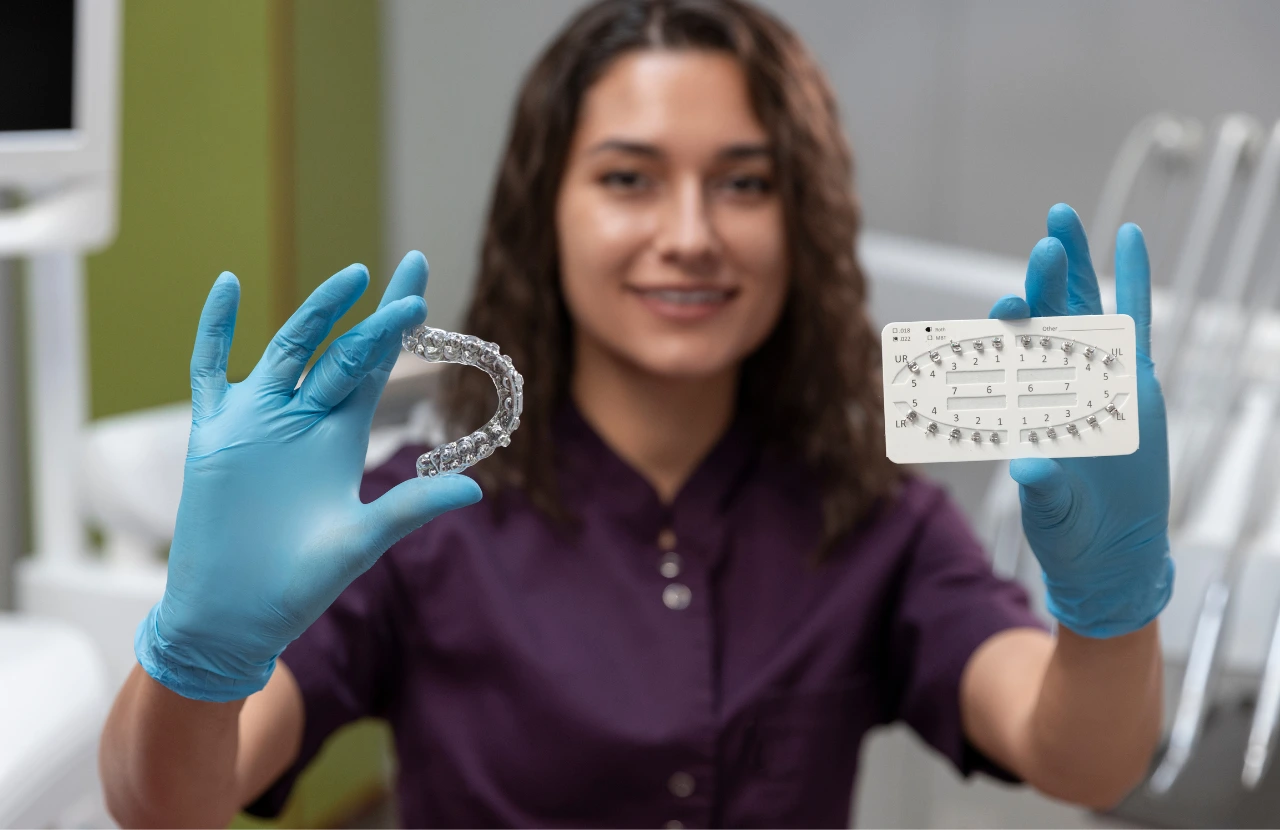
Clear aligners are transparent trays that shift teeth using gentle, consistent pressure. They are removable, comfortable, and nearly invisible, making them a popular alternative to braces among adults and working professionals.

Aligners vs Braces

Advantages of aligners:

  • Invisible appearance
  • No food restrictions
  • Comfortable and removable

Braces may offer the following benefits:

  • Effective for severe crowding or major bite corrections
  • Don’t rely on patient compliance
  • Often work faster for complex cases

Who is the Right Candidate? 

Clear aligners are ideal for:

  • Mild to moderate spacing
  • Mild to moderate crowding
  • Patients wanting an aesthetic solution
  • Adults or teens who can wear trays 20–22 hours daily

People with severe misalignment, rotated teeth, or jaw issues may need traditional braces instead.

Clear Aligners Cost in India 

Aligners range from ₹60,000 to ₹2,00,000, depending on brand and number of trays required.

Invisalign Treatment Steps 

1. Digital Scanning 

A 3D scan will capture the exact shape and structure of your teeth.

2. Treatment Simulation 

You will see a virtual preview of how your teeth will move over months.

3. Wearing the Trays

Aligners will be worn full-time except while eating or brushing.

4. Regular Follow-Ups 

Every 6 to 8 weeks, you should go for a follow-up, so the dentist can check the progress and provide new trays.

Cosmetic Dentistry: What is Cosmetic Dentistry? 

Cosmetic dentistry focuses on enhancing smile aesthetics, color, shape, proportion, alignment, and gum health. It includes treatments that make your smile brighter, more symmetrical, and more youthful.

Teeth Whitening 

Professional teeth whitening safely lifts deep stains caused by tea, coffee, smoking, and natural aging. The dentist uses controlled whitening agents that brighten teeth by several shades while protecting the enamel and gums.

Veneers

Veneers are ultra-thin porcelain or composite shells bonded to the front of teeth to improve color, shape, and symmetry. They create a natural-looking, uniform smile and effectively correct chips, discoloration, and minor alignment issues.

Smile Makeover

A smile makeover combines treatments like veneers, whitening, bonding, aligners, and reshaping to enhance the overall appearance of your smile. The plan is customized to your facial features, ensuring natural aesthetics and long-lasting results.

Tooth Bonding

Tooth bonding uses tooth-colored composite resin to repair small chips, cracks, and gaps. It blends seamlessly with natural teeth and offers a quick, minimally invasive way to restore appearance and function.

Gum Contouring 

Gum contouring reshapes excess or uneven gum tissue to correct a “gummy smile” and create better symmetry. The procedure refines the gum line, making teeth appear more proportionate and improving overall smile aesthetics.

Hollywood Smile / Smile Design

Smile design uses digital tools to plan the ideal smile based on your face shape, lip movement, and tooth visibility. This ensures the final result looks natural and balanced.

Cosmetic Dentistry Cost Guide 

The cost may range between:

  • Whitening: ₹4,000 to ₹12,000
  • Veneers: ₹8,000 to ₹25,000 per tooth
  • Bonding: ₹2,000 to ₹8,000 per tooth
  • Smile Makeover: Highly case-dependent

Dental Cleaning & General Dentistry

Scaling & Polishing 

Scaling removes plaque and hardened tartar deposits that brushing alone cannot eliminate. Polishing smooths tooth surfaces to prevent bacteria from reattaching quickly. Regular cleaning helps prevent gum disease, bleeding gums, bad breath, and tooth decay. Dentists typically recommend a cleaning every six months for optimal oral hygiene.

Tooth Filling Types 

Composite Fillings 

Composite fillings are tooth-colored restorations ideal for small to medium cavities. They bond directly to the tooth structure, blend seamlessly with natural enamel, and offer a conservative, aesthetic solution for visible areas of the mouth.

Ceramic Fillings 

Ceramic fillings are highly durable, stain-resistant restorations suited for larger cavities and back teeth that endure heavy chewing forces. Their strength and natural appearance make them a long-lasting, premium alternative to traditional fillings.

Wisdom Tooth Removal 

Wisdom tooth removal becomes necessary when the tooth is impacted or lacks space to erupt properly, leading to pain, swelling, recurrent infections, or risk of damaging nearby teeth. Early extraction prevents long-term complications and protects overall oral health. The removal process begins with a detailed X-ray to assess the tooth’s position and proximity to nerves. 

Choosing the Right Dental Treatment: How Dentists Decide the Right Procedure?

A dentist determines the best treatment based on the following parameters:

  • X-rays and CBCT scans
  • Oral hygiene status
  • Bite and jaw alignment
  • Severity of decay or misalignment
  • Patient goals
  • Long-term oral health benefits

The aim is always to choose the most conservative yet effective solution.

Comparison Table of Major Treatments

TreatmentCostPain LevelDurationIdeal AgeLongevity
Dental ImplantsMedium-HighLow3-6 monthsAdultsLifetime
Root CanalMediumLow-Moderate1-2 sittings12+10-15 years
BracesMedium-HighModerate12-24 months10-40Long-term
AlignersHighLow6-18 months16+Long-term
WhiteningLowLow30-60 min16+6-12 months

Each treatment option has its own strengths, but the right choice depends on your unique dental needs, bone structure, bite, and long-term goals. A dentist is best equipped to evaluate your condition and recommend the most effective approach. To get clarity and confidence in your next step, book an appointment with an experienced dental clinic in Kochi and begin your journey toward healthier teeth and a brighter smile.

Frequently Asked Questions

  1. Which is better, dental implants or a bridge? 

Implants offer superior longevity, stability, and bone preservation, while bridges work well when budget or bone availability is limited. A dentist will evaluate jawbone health and overall oral condition before recommending the right option for you.

  1. Are root canals painful? 

Modern root canal treatments are performed under effective local anaesthesia, making the procedure nearly painless. Most patients feel significant relief after the infected nerve tissue is removed.

  1. Do aligners fix teeth as well as braces? 

Aligners work extremely well for mild to moderate alignment issues. For severe bite problems or rotated teeth, braces may offer more reliable results. The right system depends on the complexity of the case.

  1. How frequently should I visit a dental clinic in Kochi for cleaning? 

A professional cleaning every six months prevents tartar buildup, gum disease, and bad breath. People with diabetes or gum problems may need more frequent visits.

  1. Are cosmetic dental treatments permanent? 

Treatments like veneers and implants can last 10 t 20 years or more. Whitening and bonding require periodic maintenance depending on lifestyle habits such as coffee consumption, smoking, and oral hygiene.

Complete Guide to Skin Treatments: Acne, Pigmentation, Anti-Aging & Laser Solutions

Tired of trying countless products that don’t deliver results for your acne, lingering pigmentation, or concerns about aging? Achieving truly healthy, beautiful skin often requires more than just an over-the-counter routine. This is where professional guidance and advanced solutions come in. We understand that finding the right dermatologist-recommended treatments, especially within the world of modern aesthetic medicine and laser technologies, can be overwhelming. And that’s why we have created this comprehensive guide that cuts through the confusion, and offers clear, expert advice to help you solve your specific skin puzzles. Get ready to discover the powerful, proven paths that will transform your complexion and answer all your questions about advanced skin care.

Acne & Acne Scar Treatments

Acne doesn’t always stop at breakouts, persistent inflammation can damage deeper skin layers and lead to long-term scarring. Early treatment helps control this inflammation before it affects collagen and prevents marks that take much longer to reverse later, which is why many people look for the best acne treatment at the right time.

What Causes Acne?

Acne develops because the skin’s oil production, pore blockage, bacterial activity and hormonal influences work together to trigger inflammation. Understanding which factor dominates helps choose treatments that address the root of the pimple treatment rather than only surface pimples.

Contributors include:

  • excess oil (sebum)
  • dead cells blocking pores
  • bacterial overgrowth
  • inflammation
  • hormonal fluctuations
  • diet, stress and lifestyle

Types of Acne

Different acne types indicate different levels of inflammation, depth and risk of scarring:

  • Blackheads/Whiteheads: early congestion
  • Papules/Pustules: inflammatory pimples
  • Nodules/Cysts: deeper painful lesions
  • Acne with scarring: long-standing inflammation

Deeper nodulocystic acne is more likely to leave permanent texture change.

Modern acne treatment focuses on reducing inflammation, regulating oil and preventing scars, not just clearing pimples.

Medications

When acne is persistent, severe, or worsens predictably around hormonal cycles, it often signals a deeper need to control internal inflammation and excess oil production. Topical creams alone may not be enough to break the cycle. Medications, both oral and topical, are crucial tools for controlling inflammation and sebum when breakouts are stubborn. It is often essential to first use medications to calm active inflammation, as many advanced aesthetic treatments cannot be performed on actively breaking out skin.

Chemical Peels

Chemical peels gently exfoliate the upper layers of skin to unclog pores and reduce buildup that leads to breakouts. They also help lighten post-acne marks and maintain a smoother surface over repeated sessions. They are not recommended for severe and active cystic acne.

Laser Treatment for Active Acne

Laser therapy helps calm deeper inflammatory lesions that often turn into scars later. It’s commonly introduced when acne keeps returning despite regular care and topical treatments.

Acne Scar Treatments

Acne can eventually lead to visible textural changes and scars if inflammation remains active for a prolonged period of time. Once scars form, the concern shifts from active breakouts to repairing damaged collagen and uneven texture. Scar management focuses on rebuilding skin structure, not just lightening dark marks, and usually works best with a combination of techniques.

Microneedling

If deep marks remain even after acne has settled, microneedling stimulates collagen and helps smooth uneven texture. Most sessions are spaced a few months apart, depending on healing and scar depth.

PRP Therapy 

PRP uses growth factors from your own blood to support healing and enhance results after scar treatments. It is frequently paired with microneedling to strengthen collagen repair and overall texture improvement.

Fractional CO₂ Laser

Moderate to deeper acne scars often respond well to fractional CO₂ resurfacing because it targets deeper layers where structural damage happens. This option is generally selected when milder procedures haven’t given enough improvement.

TCA Cross

Very narrow, ice-pick scars respond better to TCA Cross because it stimulates collagen inside each scar opening directly at the base. It is focused only on specific scar points rather than the entire face.

Subcision

If scars look pulled down or feel tethered, subcision breaks the fibrous bands beneath the skin so the indentation can lift. It is commonly done before resurfacing procedures to maximise effectiveness.

Scar Combination Treatments

Most people have more than one scar type, so combination plans address different depths within the same treatment course. Layered approaches usually produce more even and balanced texture improvement.

Acne Treatment Cost Breakdown

Costs depend on whether the goal is early control, long-standing acne management or full scar revision. Early intervention is often more affordable than correcting deeper inflammation and scarring later.

Pigmentation & Melasma Treatments 

Even after acne settles, pigmentation like dark spots or uneven tone may remain, especially after inflammatory acne. In other cases, pigmentation develops from sun exposure or hormonal changes. Addressing pigment early prevents deeper and more stubborn patches later.

Without early intervention, these patches can evolve into more persistent forms such as melasma.

What Causes Pigmentation?

Pigmentation results from increased or uneven melanin activity. Several triggers may push melanocytes into overdrive, so identifying the cause helps choose the right treatment.

Triggers include:

  • Sun exposure
  • Hormones
  • Heat 
  • Inflammation
  • Genetics or certain medications

Best Treatments for Pigmentation

Pigmentation treatments aim to reduce melanin production, fade existing pigment and prevent recurrence, with gradual improvement over time.

Chemical Peels 

Superficial peels help remove surface pigment and brighten dull skin gradually, making them a common approach for skin whitening treatment in controlled and medically safe ways.

Laser Toning / Q-Switch Laser

Laser toning targets deeper melanin deposits and works gradually across sessions, especially for stubborn pigmentation. It’s useful when pigment remains even after creams and peels.

Medifacials 

Medifacials gently hydrate and brighten pigment-prone skin without causing irritation. They help maintain results between treatments and support overall skin health.

Topical Lightening Agents

Ingredients such as tranexamic acid, arbutin and kojic acid help regulate melanin formation and prevent new patches. They are typically used as long-term maintenance to support results.

Melasma Treatment: Special Considerations

Among different types of pigmentation, melasma is particularly stubborn due to internal triggers like hormones and heat. This makes it more prone to recurrence and requires a different, more cautious approach than regular dark spots.

Pigmentation Treatment Cost in India

Costs depend on depth and spread of pigment, number of sessions and type of treatment used, especially for pigmentation treatment in Kochi, where pricing varies by clinic.

Anti-Aging & Skin Rejuvenation

Anti-aging begins with internal changes like collagen breakdown and slower cell turnover. These gradually show up as fine lines, dullness and uneven texture.

Signs of Premature Aging 

Early signs include:

  • Fine lines
  • Uneven tone
  • Visible pores
  • Loss of elasticity
  • Dullness 
  • Mild sagging

Best Anti-Aging Dermatology Treatments 

Treatment focuses on stimulating collagen, improving texture and slowing visible aging.

Microneedling 

Microneedling encourages collagen production and improves early laxity, making skin look firmer and more refined. It works well when dullness and surface texture begin to change.

PRP 

PRP adds a regenerative boost by using your own growth factors to support collagen and repair. This helps improve radiance, texture, and overall skin quality when paired with other treatments.

Anti-Aging Peels

Anti-aging peels promote faster cell turnover and soften early fine lines. They are often part of preventive care when someone notices early dullness or loss of smoothness.

Laser Resurfacing 

Laser resurfacing targets more established wrinkles by remodeling deeper skin layers. It is chosen when fine lines become more visible or when other measures are not enough by themselves.

Anti-Aging Treatment Cost in India 

Preventive treatments are usually more affordable than advanced rejuvenation procedures needed later.

Laser-Based Skin Solutions

Laser treatments directly target deeper layers of skin where pigmentation, scars and aging changes actually form, something skincare products simply cannot reach. The goal is not just visible improvement on the surface but subtle structural changes beneath the skin that deliver long-term benefits. Lasers are usually considered once topical treatments have plateaued or when concerns are already deeper or chronic.

How Lasers Work?

Each laser technology uses a specific wavelength of light to target a particular issue, whether it’s pigment, vascular components, inflammation, or collagen breakdown. This selective approach helps treat only the concern (like melanin) without harming the surrounding skin. With controlled energy, the skin begins a healing and remodeling process, leading to tighter, clearer and more even-looking skin over time.

Types of Cosmetic Lasers Explained

Different lasers have different roles depending on the concern, depth and duration.

Fractional Non-Ablative Lasers 

These focus on stimulating collagen without removing the top layer of skin, making them ideal for early texture improvement, fine lines and mild scarring. They generally have shorter downtime and gentler recovery.

Fractional CO₂ Laser 

Fractional CO₂ targets deeper structural issues, which is why it is preferred for established acne scars and deeper wrinkles. Because it remodels collagen from within, results are more dramatic, but downtime is slightly longer compared to non-ablative options.

Q-Switch Laser / Laser Toning

Q-Switch lasers specifically target melanin and stubborn pigmentation without harming the surrounding tissue. They are commonly used for melasma, sun spots and post-acne pigmentation in medium to darker skin tones.

Low-Level Laser or Gentle Rejuvenation Lasers 

These are mild treatments used to maintain overall radiance, support ongoing collagen production, and gradually slow the appearance of aging without downtime.

  • Laser Toning for pigmentation and melasma
  • Fractional CO₂ for acne scars and wrinkles
  • Non-ablative resurfacing for texture and fine lines
  • Combination protocols when multiple concerns exist

Many dermatologists layer laser therapy with peels, microneedling or PRP to achieve deeper, more sustained improvements rather than addressing only one issue.

Safety Considerations for Indian Skin 

Lasers for Indian skin need careful wavelength selection because deeper skin tones can easily develop post-inflammatory pigmentation if treated too aggressively. Modern devices and controlled settings significantly reduce this risk. Choosing an experienced dermatologist, appropriate laser type and correct post-care are crucial for safe results.

Pain, Downtime & Aftercare 

Most laser treatments involve mild discomfort described as heat or pricking sensation. Redness or sensitivity may last a few hours to a few days depending on the depth and intensity of treatment. Strict sun protection, gentle skincare and avoiding irritants are essential to prevent temporary pigmentation after a laser session.

Laser Treatment Cost Range in India

Laser costs depend on:

  • device type (CO₂ vs Q-switch vs non-ablative)
  • number of sessions required
  • area treated
  • severity of concern

Scars and melasma usually need more sessions, while general rejuvenation may need fewer. Results typically build over multiple appointments rather than a single treatment.

Choosing the Right Treatment 

Choosing the right treatment depends on your main concern, whether it’s acne, pigmentation or aging. Consulting a qualified skin clinic in kochi helps ensure your plan is matched to your skin type and long-term goals.

For example, active acne needs inflammation control first, while pigmentation needs melanin regulation, and aging requires collagen stimulation. The aim is not to chase symptoms, but to treat the underlying process that is causing them.

How Dermatologists Evaluate Your Skin?

Dermatologists evaluate underlying causes and suggest treatments based on concern severity and depth. A professional dermatologist in kochi will assess skin tone, pigmentation risk and sensitivity before recommending procedures.

What They Look At?

Dermatologists evaluate several factors including:

  • depth (surface vs deeper layers)
  • duration (new vs chronic)
  • triggers (hormonal, sun, inflammation)
  • past treatments
  • sensitivity + skin type
  • tendency for pigmentation after procedures

This initial evaluation helps determine whether your skin needs topical care, procedural treatments or a combined approach to address the concern at its root level.

Why Does This Matters?

Two people may show the same concern on the surface, but the root cause can be completely different. Treating without identifying the mechanism often leads to recurrence or minimal improvement.

Personalisation and Safety 

A personalised plan ensures that the treatment chosen is effective while being safe, especially for Indian skin, where pigmentation risk and sensitivity must be considered during procedures such as peels or lasers.

Treatment Comparison Chart (H2)

Here’s a simple comparison of where each major category of treatment works best and what it typically addresses:

Treatment TypeBest For
Chemical PeelsEarly acne marks, tanning, pigmentation, dullness
Medications (Topical / Oral)Active acne, hormonal acne, acne inflammation
Laser Toning / Q–Switch LaserMelasma, stubborn pigmentation, uneven tone
Fractional CO₂ LaserAcne scars, deeper wrinkles, texture damage
Fractional Non-Ablative LaserFine lines, early aging, mild texture issues
MicroneedlingAcne scars, texture irregularities, early aging
PRP TherapyRadiance, collagen repair, pigmentation maintenance
Anti-Aging PeelsEarly signs of aging, fine lines, dullness
SubcisionTethered / depressed acne scars
Topical Lightening AgentsMild pigmentation, maintenance treatment
MedifacialsHydration, radiance, pigment-prone skin maintenance

Frequently Asked Questions 

How do I know which treatment is right for me? 

It depends on what the primary concern is, active acne, scars, pigmentation or early aging. The correct approach is based on evaluation of depth, duration and triggers. A dermatologist will recommend options depending on whether the concern is inflammatory, pigment-based or collagen-related.

Should I treat acne first or pigmentation first? 

Active acne should always be controlled before tackling pigmentation or scars. Treating pigmentation while acne is still active often leads to recurrence and longer treatment time.

What is the ideal age to start anti-aging treatments? 

Anti-aging is more effective when started early because collagen decline begins in the mid-20s. Preventive care slows visible aging and often reduces the need for aggressive treatment later.

How much do treatments cost in India? 

Costs vary depending on concern severity, number of sessions and type of technology used. Acne and pigmentation start at lower ranges, while scar correction, melasma and advanced rejuvenation may require a longer plan and higher investment.

Can I combine multiple treatments? 

Yes, combination protocols are common because most concerns have more than one underlying factor. Layering approaches can address different depths simultaneously and improve overall outcomes.

Tips to Manage Your Invisalign Treatment While Travelling

When it comes to modern orthodontic treatment, Invisalign proves to be the most practical trend compared to conventional braces. This is mainly because Invisalign gives you the much-needed freedom for teeth straightening without restrictions and discomfort. It doesn’t matter if you are heading to work at a distant location or planning for a joyful vacation, Travelling with Invisalign will help you move with much ease. That being said, you should be a bit mindful regarding the preparation, proper hygiene and consistency regarding your travel with clear aligners. By doing so, you can ensure that your treatment is on the right track while travelling. Most often, travel-related challenges may arise. However, with proper planning and the right Invisalign tips to guide you, you can enjoy stress-free trips. All you need is a better knowledge of aligner care while travelling. This blog is your perfect guide, discussing various important facets to manage your Invisalign treatment while travelling. So, without further ado, let’s begin.

Preparing for Travel with Invisalign 

Preparation is key when speaking of Invisalign travel tips. Given below are some of the essential travel plans to get you ready and set out for your journey. 

Pack All Invisalign Essentials 

  • Aligner case (keep them safe during meals)

For proper Invisalign care, you can use the case to keep the aligners safe when you are not using them, especially while you are having your meals. 

  • Extra aligners (previous and next set, if recommended) 

Having an extra set of Invisalign while travelling would be a great idea. In case you lose a set or if the case gets damaged, with an adequate backup plan, you can continue your treatment without any hindrances. 

  • Cleaning crystals or tablets

It would be helpful to make use of the cleaning crystals or tablets every other day to get rid of any buildup. 

  • Travel-size toothpaste and toothbrush

Always have a small travel-size toothpaste and toothbrush handy so that you can use them frequently as you require and keep your oral hygiene in check. Besides the travel-sized toothpaste, toothbrush, and mouthwash, it is highly recommended to carry your floss and interdental brushes too, kept in a small pouch/Dental travel kit in an organised way. By doing so, you will have instant access to all these items to meet your needs. 

Check Your Treatment Plan Before You Leave

There is no doubt that every treatment plan is customised per the patient’s needs. This makes everything much easier for you while you think about How to manage Invisalign while travelling. You need to ensure that you know exactly when to switch to the next set while you are on the go. Downloading the Invisalign app will help you with frequent reminders. Besides doing that, you can consult with your dentist regarding specific instructions while you are out on long trips. 

Maintaining Your Aligner Routine on the Go

The success of your Invisalign care depends on the correct adherence to your wear time suggested by your dentist. Always stick to the recommended wear time. It’s kind of normal to skip the normal routine while you are having fun on your holidays or travelling long distances. However, don’t forget to wear your aligners back after a meal or snack. Also, be mindful that you are not without them for longer hours. 

It is absolutely alright to take regular breaks, especially when you are on a long car journey or a flight. Regular breaks are indeed good for getting that bit of stretching and relaxing. Also, you can clean your aligners and properly brush your teeth while you are not wearing them. Setting regular reminders on your Invisalign app will help you with consistent wearing time during hectic travel schedules.  This will ensure you are following your aligner care routine in the best way. Try to stick with the 20–22-hour wear time routine to get the finest results for your Invisalign treatment.

Eating and Cleaning While Travelling

Always remember to remove your aligners prior to having meals. Similarly, don’t forget to brush your teeth properly before you reinsert your aligners after each meal. This will ensure to maintain optimal oral hygiene without the leftover food particles. Given below are some of the quick cleaning hacks for busy days:

  • The floss pick hack

You can remove your aligners and floss to get rid of food particles stuck between your teeth. 

  • Small-sized/fordable brush & rinse

Always carry a small-sized or portable toothbrush and a standard quality mouth rinse. You can use it to clean your teeth properly after every meal. Besides that, don’t forget to rinse your aligner tray to maintain good hygiene. 

Hygiene Tips for Travellers

Here are some of the Best tips for travelling with clear aligners, especially when there is limited water access:

  • Use bottled water to rinse aligners

Using bottled water is one of the safest ways to clean your aligners. Especially if you have any concerns or doubts regarding the quality of water at your destination. Bottled water for aligners will help you keep them safe from any pollutants and also effectively maintain their transparency. 

  • Use cleaning wipes designed for clear aligners

Another effective way to keep your aligners clean is to use specially designed antibacterial cleanser wipes. However, note that they are not meant to be an alternative solution to brushing, but just a practical substitute for cleaning. 

  • Avoid sugary or colored drinks while wearing aligners

It is important to refrain from having sugar-containing foods and colored drinks. Sugary foods can eventually lead to tooth decay if not properly cleaned. Colored drinks, on the other hand, can make your aligners look stained and unattractive. 

Using Travel-Friendly Cleaning Tools

You can use portable dental kits, aligner cleaning foam or spray, along with foldable travel toothbrushes to ensure that your Invisalign care is under check and promptly done while travelling. 

Managing Aligners During Long Flights or Road Trips

Avoid storing your aligners and other essentials in the checked or main luggage. Instead, you should have them in a Dental travel kit while travelling. Doing so will give you quick access to these items while on the go and also between having your snacks or meals. 

Staying Fresh During Long Hours of Travel

Here are some of the Invisalign travel tips that help you stay fresh during extended travel hours:

  • Refresh cleaning during layovers

It is essential to refresh the aligners while travelling so that you can maintain their hygiene and clarity. One way is to rinse them with lukewarm water. Immediately after removing your aligners, you can rinse them to prevent bacteria buildup and eradicate any debris.

  • Dry brushing techniques

 A tidy, dry soft-bristled toothbrush can be used for mildly brushing the surface of the aligners and keeping them clean. This is a good method if you are wondering How to clean Invisalign without water while you are on the go.  

  • Drink plenty of water to avoid dry mouth

During long-distance travel, it is important to stay hydrated by drinking plenty of water. By doing so, you can avoid a dry mouth and discomfort. 

What to Do if Your Aligners Get Lost or Damaged

Given below are some of the useful tips to apply during such scenarios:

  • Wear the previous aligner to maintain progress

You can use your Invisalign replacement aligners to maintain an unhindered treatment process. 

  • Never leave teeth without an aligner for long

It is quite normal that you forget to wear your aligners back after having a meal or snack. However, don’t forget to promptly wear them to achieve the desired results. 

Contacting Your Dentist

Given below are a few helpful tips to stay connected with your orthodontist while travelling:

  • Message or call your dental clinic

You can immediately reach out to your orthodontist via a message or call. They will provide you with the required instructions while you are on the go. 

  • Request emergency replacements if needed

In case you have damaged or lost your aligners and don’t have another set to proceed with your treatment, you can request emergency replacements. They will do the needful and help you get going without hassle. 

  • Tips for international travellers

International travellers should always be mindful of the importance of keeping up with their Invisalign care while travelling abroad. Given below are some of the useful tips that ensure a smooth journey:

  1. Schedule a pre-trip checkup

It is highly advisable to schedule a pre-trip appointment with the orthodontist. This will ensure that everything is in the right order before departure. 

  1. Stay on schedule

Adhering to the schedule for the appointment is crucial. The progress of the treatment could be affected by missing a follow-up visit. 

  1. Be mindful of the food choices

Always opt for the foods and drinks that are suggested by the orthodontist. Chewy, solid and sticky food items can cause damage to the braces and also make it inconvenient to properly clean the teeth. 

Travelling Across Time Zones

While you travel across various time zones, it is important to set your aligner schedule so that it matches the local time. Given below are some of the other helpful tips for staying on track:

  • How to maintain the 20–22-hour guideline

Communicate with your orthodontist and keep him informed about your travel schedule. He or she will advise how to maintain the 20-22-hour guideline of wearing aligners. 

  • Whether to switch aligners based on home time zone or destination

Switching aligners should be done according to the time zone of the particular destination that you are at to avoid confusion. Here again, your orthodontist will provide you with the correct advice and ensure that you are doing it right. 

  • Use reminders to stay consistent

You can make use of the timely reminders set on your Invisalign app so that you can stay consistent with your treatment plan. 

Tips to Stay on Track During Holidays or Busy Trips

Be it for your holidays or busy official trips, staying on track is important to ensure that your Invisalign treatment is on the right track. Given below are some useful tips that you need to check out:

  • Plan mealtimes smartly

By smart planning of your meal times, you can ensure the optimal usage of your aligners. Besides that, with the timely reminders, you won’t have to catch up with any lost hours of your treatment process by forgetting to wear them after having food. 

  • Carry your case everywhere

It is important to carry your case everywhere you go so that you can store your aligners safely and neatly when you are not using them. 

  • Stay hydrated and avoid sugary holiday treats while wearing aligners

It is highly recommended that you stick to the diet plan advised by your orthodontist and avoid sugary food items. By doing so, you can ensure that your oral hygiene stays perfectly aligned with your treatment plan. 

When to Inform Your Dentist Before Travelling

You should inform the orthodontist before travelling with aligners. The best thing to do is to schedule a pre-trip checkup, especially if you are planning to travel abroad or your trip is scheduled for more than a couple of weeks. This would also be very helpful when your trip dates might overlap with the aligner change dates. So, irrespective of the duration of the travel, you can arrange and ensure that the progress of your treatment plan is on the right track.  

Benefits of Invisalign for Frequent Travellers

Now, in the case of frequent travellers, there are numerous benefits they can enjoy while they are on their Invisalign treatment, such as:

  1. No metal wires or the need for emergency appointments
  2. Easy to clean and maintain
  3. Removable and convenient for taking pictures
  4. Discreet in appearance, especially during business trips
  5. Light-weight and the most travel-friendly treatment choice

Conclusion

With the right preparation steps taken, you can happily travel with clear aligners. It is pretty much simple and the best treatment option for straightening your teeth. At the same time, you need to ensure that you properly follow the Invisalign tips mentioned here. With the right aligner care for travelling, you will maintain perfect discipline in terms of wear time and hygiene. The best part of wearing aligners is that you can enjoy your journey without hassles and ensure the treatment is always on the right track. 

FAQs

  1. How often should I clean aligners while I am out?

Having meals and snacks can lead to the buildup of food particles and residue. Therefore, it would be ideal to always clean them before you reinsert them into the trays.

  1. Can the food particles inside the aligners become harmful to the teeth?

Yes, of course. It can lead to plaque buildup and tooth decay. This is why it is important to clean them and maintain proper oral hygiene.

  1. What are the most effective and easiest methods of cleaning your aligners when you are outside?

You can use both bottled water and floss to clean your aligners while you are on the go. Both methods are effective and discreet.

  1. What am I supposed to do when I lose an aligner while travelling?

You must right away inform your orthodontist and follow the instructions regarding how to continue with the treatment.

  1. Is it ok to switch aligners while travelling?

Yes, it is. However, it is highly recommended that you stick with your routine switching schedule.  

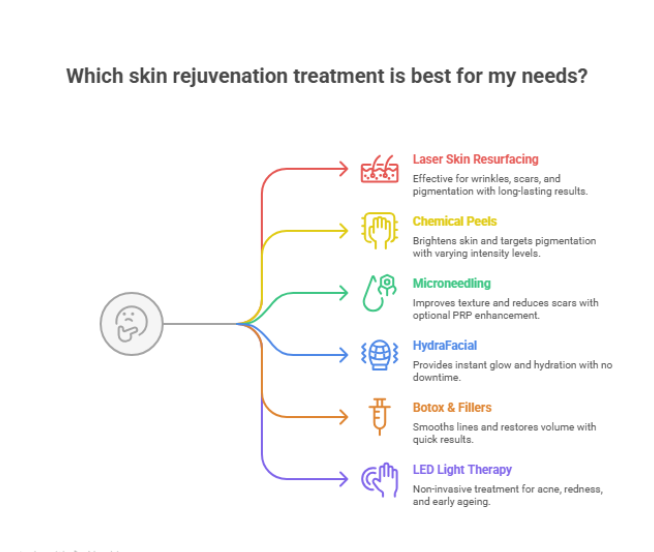
Botox vs. Fillers: Which Cosmetic Treatment is Right for You?

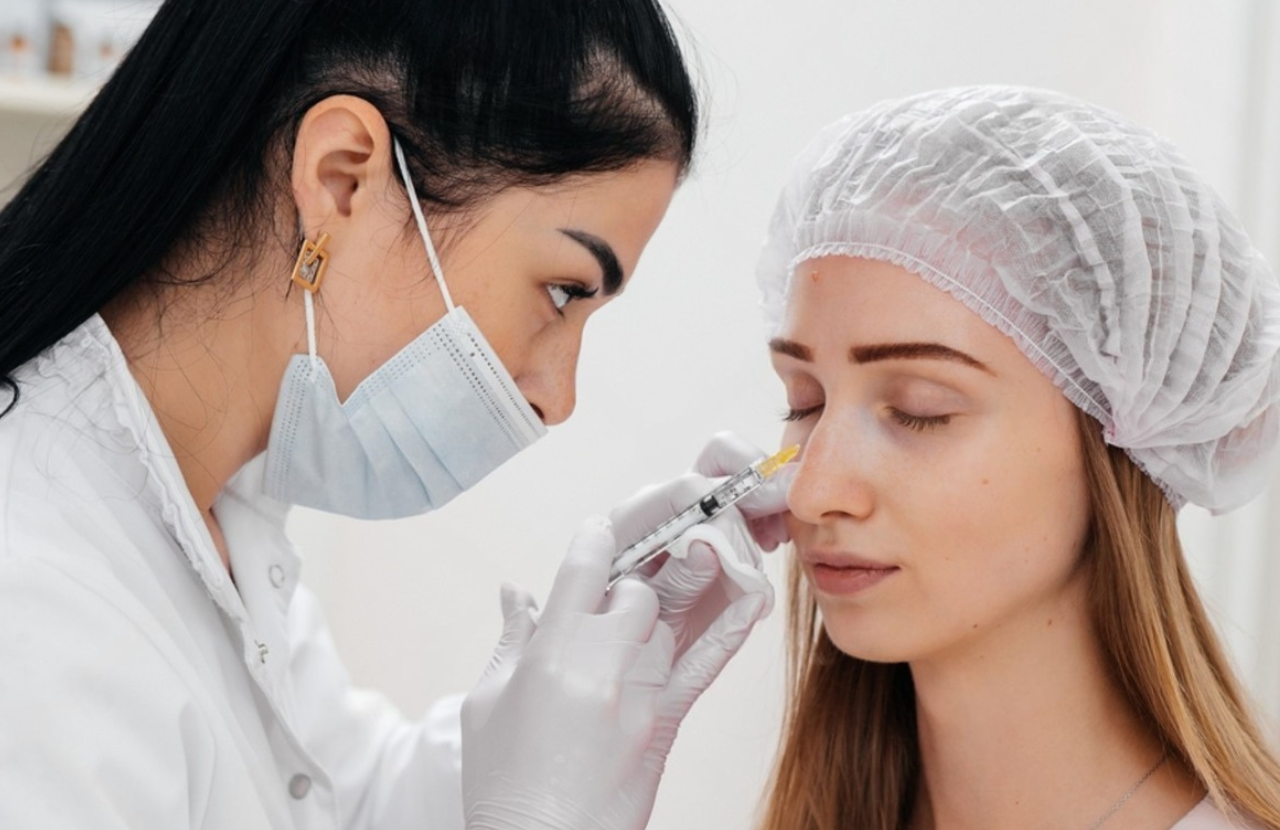
Aging doesn’t happen overnight. It shows up slowly as fine lines, forehead creases, or the subtle loss of facial volume that changes how you look and feel. If you’ve noticed these shifts and are wondering how to restore a smoother, refreshed appearance, you’re not alone. Many people visiting cosmetic clinics in Kochi explore two of the most popular anti-aging treatments today: Botox and dermal fillers.

Both options offer excellent results, but they work very differently. This guide helps you understand each treatment clearly so you can make a confident, well-informed choice.

Understanding Botox

What Is Botox?

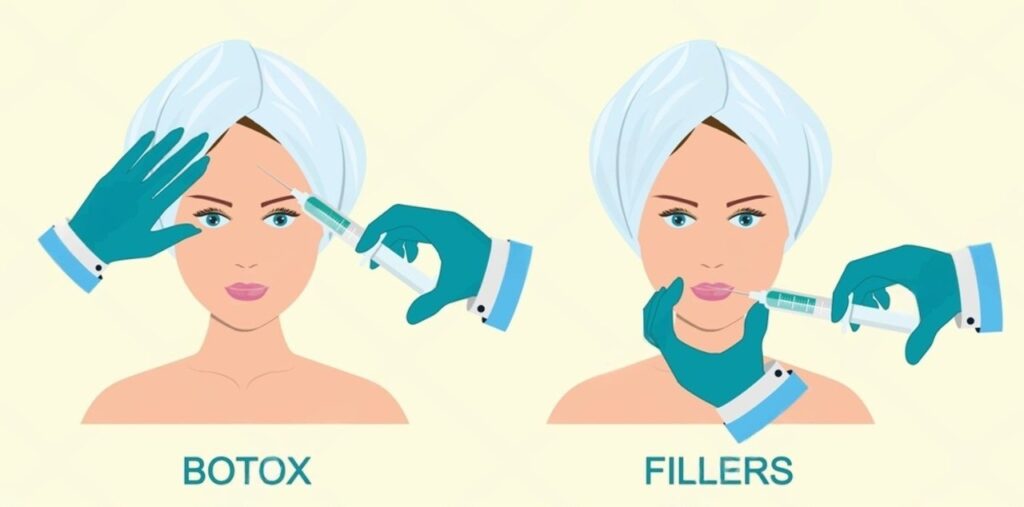
Botox is a purified neurotoxin derived from Clostridium botulinum. In dermatology, tiny doses are safely used to relax specific facial muscles responsible for expression-based wrinkles, also known as dynamic wrinkles. These include frown lines, crow’s feet, and horizontal forehead lines, areas where repetitive movement gradually etches lines into the skin.

How Botox Works?

When injected, Botox temporarily blocks nerve signals that trigger muscle contractions. As those muscles relax, the overlying skin appears smoother and less creased. The treatment doesn’t freeze your face; when administered by trained dermatologists at top dermatology clinics, it softens lines while keeping your natural expressions intact.

Benefits of Botox

  • Quick, non-surgical procedure (often 10–15 minutes)
  • Helps prevent new lines from forming by reducing repetitive muscle movement
  • Minimal downtime, most people return to routine activities immediately
  • Subtle but effective softening of expression lines

Risks & Side Effects

Botox is widely studied and considered safe when administered professionally. Mild side effects may include:

  • Temporary redness or swelling
  • Mild bruising
  • Rarely: slight eyelid drooping or headache

Understanding Dermal Fillers

What Are Dermal Fillers?

Dermal fillers are gel-based injectables used to restore volume, smooth deeper creases, and enhance facial contours. Common types include:

  • Hyaluronic acid (HA): naturally hydrating and reversible
  • Calcium hydroxylapatite (CaHA): ideal for deeper wrinkles and volume restoration
  • Poly-L-lactic acid (PLLA): stimulates collagen production for gradual improvement

These fillers replenished lost volume in areas affected by aging such as the cheeks, lips, jawline, and under-eye hollows.

How Fillers Work?

With age, collagen, fat, and bone volume diminish, leading to sagging or a sunken look. Fillers are strategically placed to rebuild structure, add lift, and restore symmetry, giving the face a more natural, youthful contour.

Benefits of Dermal Fillers

  • Immediate visible results
  • Beautiful enhancement of facial definition
  • Improves symmetry and restores youthful fullness
  • Can be tailored to subtle or more sculpted outcomes

Risks & Side Effects

Dermal fillers are generally safe when performed by board-certified dermatologists. Possible side effects include:

  • Mild swelling or redness
  • Bruising

Botox vs. Fillers: Key Comparisons

Botox vs. Fillers: Key Comparisons

Understanding the difference helps you choose the right approach, or even combine both for the best anti-aging results.

CategoryBotoxDermal Fillers
Best ForSoftening expression lines (dynamic wrinkles) caused by repetitive muscle movementRestoring facial volume, enhancing contours, and treating deeper static folds
How It WorksRelaxes targeted facial muscles by temporarily blocking nerve signalsAdds structure or volume using HA/CaHA/PLLA gels; some stimulate collagen
Results TimelineGradual improvement over 3 to 7 daysImmediate lift and contouring
Effect DurationTypically 3 to 6 monthsDepends on type & placement, usually 6 to 18 months
Areas Commonly TreatedForehead lines, frown lines, crow’s feetCheeks, lips, jawline, under-eyes, nasolabial folds
Look & FeelSmooth, soft, natural reduction of linesYouthful definition with restored fullness and contour
DowntimeMinimal; resume activities almost instantlyMild swelling or bruising possible for 24 to 48 hours
ReversibilityNot reversibleHyaluronic acid fillers can be dissolved with hyaluronidase
Ideal CandidateIndividuals with prominent expression linesThose experiencing volume loss or seeking structural enhancement

Why Do Some People Combine Both?

Leading skin clinics in Kochi often recommend a combined approach for the most natural rejuvenation:

  • Botox softens forehead and eye wrinkles
  • Fillers restore volume to cheeks, under-eyes, lips, or jawline

This creates a balanced, youthful appearance without overcorrecting any single feature.

Choosing the Right Treatment for You

Your ideal treatment depends on your primary concern:

  • If you’re noticing fine lines from repeated expressions, botox will likely be the best choice.
  • If you’re losing facial volume or see deeper lines, fillers are designed to lift, contour, and restore fullness.
  • If both concerns exist, a combination plan can offer a subtle, refreshed transformation.

Other factors to consider while choosing the right treatment:

  • Age as volume loss increases over time
  • Skin type & elasticity
  • Desired level of enhancement
  • Maintenance preferences

A trained dermatologist at a reputable cosmetic clinic in Kochi can assess your face holistically and recommend a safe, personalized plan that aligns with your aesthetic goals.

Benefits & Risks Summary

Botox offers a refined softening of expression lines and is known for being a quick, minimally invasive procedure with very little downtime. Most people experience only mild, short-lived side effects, making it a reliable choice for addressing dynamic wrinkles. Dermal fillers, on the other hand, focus on restoring lost volume and enhancing facial contours, delivering visible results immediately after treatment. While fillers may cause temporary swelling, mild bruising, or occasional lumpiness, these effects typically settle quickly when handled by trained professionals. Overall, both Botox and dermal fillers are considered safe and effective anti-aging treatments when performed by certified dermatologists, and they remain two of the most trusted options for subtle, natural-looking facial rejuvenation.

Summing Up

Botox and dermal fillers each offer unique benefits depending on whether your main concern is wrinkles or volume loss. When chosen thoughtfully and administered by experts at a top dermatology clinic, these treatments can subtly refresh your features while maintaining your natural expressions.

A personalized consultation with a trained dermatologist ensures you select the treatment, or combination, that feels right for you, your skin, and your confidence.

Frequently Asked Questions (FAQs)

  1. Which treatment works faster?

Fillers show results immediately, while Botox typically takes 3 to 7 days.

  1. Are the results natural-looking?

Yes, when performed by trained dermatologists, both Botox and fillers enhance your appearance while keeping your expressions natural.

  1. Can both treatments be done in one session?

Many dermatologists safely combine Botox and fillers in the same appointment for a balanced, refreshed outcome.

  1. Do Botox or fillers hurt?

Most people experience minimal discomfort. Botox feels like tiny pinches, while fillers may cause pressure; numbing cream can be used.

  1. How long do the results last?

Botox lasts about 3 to 6 months, and fillers last 6 to 18 months depending on the product and area treated.

Clear Aligners vs. Traditional Braces: Which is Better for You

Oftentimes, when individuals think about an orthodontic treatment, the first thing that comes to their minds is a pretty set of braces. Yes, braces can be very helpful when you consider transforming your smile. However, just like conventional braces, clear aligners are also gaining acceptance among many. Orthodontic treatments must be carried out with top priority for achieving your best and confident smile. They are not only key in correcting misaligned teeth but also for improving your overall oral health, facial beauty, self-assurance and bite function. In this article, we will discuss in more detail about braces for teeth. Along with that, you will also get a proper understanding of Clear Aligners, including the pros and cons of the two. So, continue reading to get clarity on clear aligners vs braces and which will suit you better. 

Clear aligners and traditional braces

Now speaking of both dental alignment options, we will break them down into the following facets for thoughtful consideration. 

How each of them works

Clear aligners and traditional braces

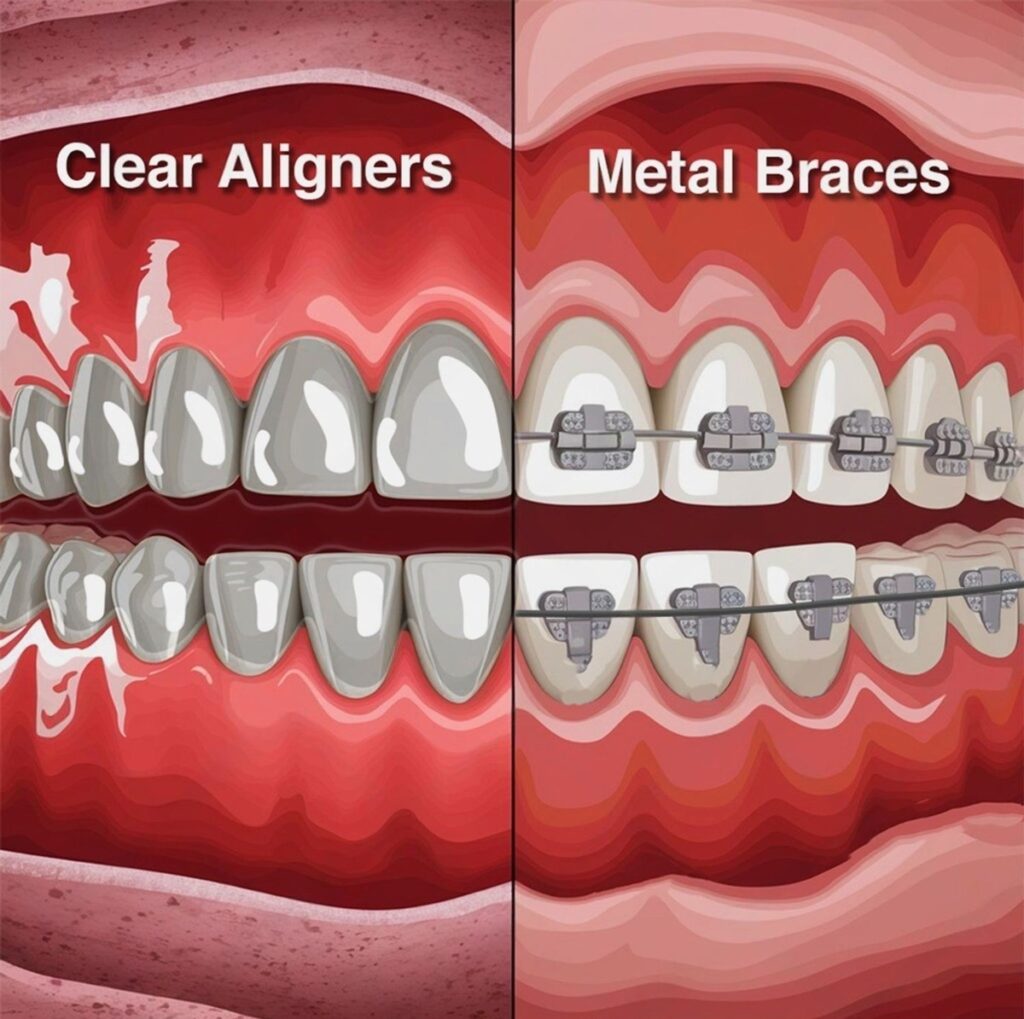
Clear aligners are dental trays mostly made of plastic. They are also custom-made to perfectly align with your teeth. The main function of clear or invisible aligners is to apply slight pressure so as to move the teeth gradually in a step-by-step manner and finally attain the desired position. Each set of these aligners is typically worn for a period of up to 6 to 18 months. To ensure and maintain their effectiveness, you must remove them while brushing, eating and drinking. 

 A dental service done using aligners is customised for an individual’s specific orthodontic requirements. Using aligners will ensure a predictable and comfortable transformation for you. You can consider clear aligners for the following:

  1. If you have gaps between teeth
  2. If you feel discomfort while clenching your teeth
  3. If your teeth are so close together that they overlap

Now, coming to the traditional braces, they work by applying a controlled and precise pressure to your teeth with the help of elastic bands, arch wires, and a system of brackets. These brackets are attached to the front side of each tooth. The arch wires run through your brackets, and it is the elastic bands that secure your arch wires. A dental service done using traditional braces involves the following facets:

  1. Initial assessment
  2. Placement of braces
  3. Periodic adjustments
  4. Treatment duration

Key differences in appearance, comfort, maintenance and treatment time

The major differences between the two options are listed as follows:

  1. Appearance

Clear aligners are mostly invisible. On the contrary, traditional braces happen to be more noticeable. 

  1. Comfort

Clear Aligners are more comfortable. This is mainly due to the smooth plastic surfaces. On the other hand, traditional braces can be a cause of slight irritation to your cheeks and gums. 

  1. Maintenance

Being removable, clear aligners allow for easier cleaning and better oral hygiene. Unlike clear aligners, traditional braces will require careful and timely cleaning around both brackets and the wires. 

  1. Treatment Time

The treatment time for an orthodontic service using clean aligners can take around 6 to 18 months. However, it can take up to 18 months to 3 years when you go for teeth alignment using traditional braces. 

Pros and cons for both options

The main pros and cons of Clear Aligners and traditional braces are as follows:

Aligners

Pros

  1. Diet

Since aligners are easily removable, your diet won’t be affected as you can consume food without any discomfort. 

  1. Hygiene

You can smoothly carry on with your routine brushing and flossing, as aligners can be removed. This ensures better oral hygiene. 

  1. Convenient orthodontic treatment appointments

The actual visits for orthodontic treatments using Clear Aligners will be minimal to nil. This is because your orthodontist has perfectly pre-planned your tooth movement and the progression of your treatment process. 

Cons

  1. Compliance

Adhering to proper compliance is required when you use clear aligners. You might have to wear them for almost 22 hours to ensure optimal effectiveness, and they can be removed only while eating or brushing. Proper compliance equals maximum results. 

  1. Effectiveness

Aligners are found to be effective in most teeth alignment treatment cases. However, there can also be times when your orthodontist might suggest for traditional braces to achieve the finest results. 

Braces

Pros

  1. Applicable for most treatment cases

Braces are always an option because using aligners won’t fetch the best results at all times. 

  1. Variety of braces

You will have the option to choose from a variety of types of braces. There are metal braces that come with and without colours. At the same time, you will also notice that the porcelain braces appear to be lesser noticeable than the usual metal braces for teeth alignment procedures.

  1. Compliance

Better compliance is ensured since braces are bonded to your teeth for a specific treatment time. So, unlike aligners, you cannot remove them and will have to wear them all the time for maximum effectiveness. 

Cons 

  1. Oral hygiene can be quite challenging

This is because you cannot remove them like aligners, and if proper brushing and cleaning are not done, that might affect your overall oral health.   

  1. Diet

With braces attached, you might have to avoid certain types of hard food items, as consuming them can cause discomfort. This fact calls for modifying your current preferred diet accordingly. 

  1. Appearance

Even the porcelain braces can appear to be more visible and noticeable. So, if you want to keep your facial look subtle without the prominence of showing braces, Clear Aligners will be a good option. 

  1. Appointments

You will have to follow up regularly with your periodic appointments for your orthodontic treatment procedures. This can become time-consuming and affect your other regular schedules. 

Ideal candidates for each option

The ideal candidates for both clear aligners and traditional braces can be identified as follows:

  1. Candidates for Clear Aligners 

Individuals with moderate dental problems, such as spacing, minor bite misalignments and overcrowding of the teeth, can be identified as ideal candidates who will require aligners. 

  1. Candidates for traditional braces

Individuals with more specific dental issues, children, teenagers and adults with complex teeth misalignment problems can be counted as the ideal candidates who require traditional braces. 

Orthodontic service cost comparison between clear aligners and traditional braces

Depending on the quality of services and professional speciality, the cost range for getting clean aligners can usually range from INR 50,000 to INR 3,00,000. On the other hand, the cost range for getting traditional braces can range between INR 18,000 to INR 60,000. 

Factors to consider while choosing between Clear Aligners and traditional braces

The factors to consider while choosing between the two options are as follows:

  1. Treatment case complexity

The severity of bite issues and dental misalignment complexities will rightly determine how to choose between the two options, and which will be effective for you. 

  1. Comfort and aesthetics

Definitely invisible aligners prove to be a better aesthetic and discreet solution for you. On the other hand, braces are ideal and effective for dealing with complex cases of tooth misalignment. However, they are less comfortable with minimal priority to aesthetics. 

Conclusion

The best decision to make when it comes to choosing between these two options depends on the professionalism of an expert orthodontist. Your choice also rightly depends on your specific dental requirements and lifestyle preferences. Both clear aligners and traditional braces have their own sets of advantages. Book an appointment at Novocare India now for your orthodontic treatment and get ready to redefine your smile. 

FAQs

  1. How do aligners work?

The orthodontic treatment using aligners involves a group of smooth plastic trays that are custom-made for fitting to your teeth. You will start experiencing the positive results within almost couple of weeks of regular usage.

  1. Which are most effective, Clear Aligners or conventional braces?

Both these orthodontic treatment procedures are effective for rectifying teeth misalignment. However, the right choice specifically depends on your case.

  1. Can I switch from aligners to braces or the opposite during the middle of my treatment?

Yes, you can. It is because in some cases, people who start by using braces for their dental problems, switch to aligners mainly for aesthetic reasons. Proficient orthodontic doctors provide modern hybrid plans for facilitating such preferences. 

  1. What would be the typical treatment time for aligners and braces?

Using aligners might take up to almost 6 to 18 months where whereas braces will take up to 18 months to 3 years for providing the finest results. The duration also depends on how exactly you cooperate with both options.

  1. What are the two popular choices for traditional braces?

You can either opt for metal braces or go for porcelain braces. Metal braces come in both coloured and colourless variants. Porcelain braces are a good choice because it is less noticeable compared to the metallic braces. 

Best Skin Rejuvenation Treatments for Glowing, Youthful Skin


Glowing skin isn’t just a beauty goal, it’s a sign of healthy, well-nourished skin that reflects how you feel inside. But as life gets busier, and as sun exposure, stress, and ageing catch up, your skin may start to look dull or uneven. Pigmentation, fine lines, and texture changes are common, but they are completely treatable.

With today’s advanced dermatology solutions, there are several rejuvenation treatments that can safely and effectively revive your skin’s natural brightness.

If you’re exploring options to refresh your complexion, fade pigmentation, or reduce early ageing, this guide breaks down the most reliable treatments to help you understand what suits your skin best.

What Is Skin Rejuvenation?

Skin rejuvenation refers to treatments that help brighten, smooth, tighten, and refresh the skin. These options work by improving collagen, correcting pigmentation, healing sun damage, and boosting hydration.

Some treatments work on the surface (like chemical peels), while others reach deeper layers (like lasers and microneedling). The best choice depends on your skin type, concerns, and comfort with downtime.

Top Skin Rejuvenation Treatments for a Youthful Glow

Here are the top advanced skin rejuvenation treatments that you can pick from:

1. Laser Skin Resurfacing

Laser resurfacing uses focused light to remove damaged skin layers and stimulate fresh collagen. It delivers some of the most noticeable improvements in texture and ageing.

Types of lasers:

  • Ablative lasers (CO₂, Er:YAG): remove the top skin layer for deeper correction
  • Non-ablative lasers: heat deeper layers without affecting the surface

Benefits:

  • Smooths wrinkles and fine lines
  • Reduces acne scars and sun spots
  • Evens out rough or patchy texture
  • Long-lasting results when maintained properly

Best for: wrinkles, scars, pigmentation, rough texture

2. Chemical Peels

Chemical peels exfoliate the skin using safe dermatology-grade acids. They reveal fresher, brighter skin and can be tailored to mild or more stubborn concerns.

Types of peels:

  • Light peels (glycolic, lactic): brighten dull skin with zero downtime
  • Medium peels (TCA): target pigmentation, tanning, acne marks
  • Deep peels: correct deeper wrinkles and sun damage

Benefits:

  • Instant glow and smoother skin
  • Lightens dark spots and uneven tone
  • Helps with tanning and mild acne marks
  • Significantly boosts radiance with regular sessions

Best for: dullness, pigmentation, uneven tone

3. Microneedling (with or without PRP)

Microneedling uses tiny needles to create micro-channels that push your skin to rebuild collagen and elastin. Adding PRP (your own growth-factor-rich plasma) enhances healing and glow.

Variants:

  • Microneedling alone: improves texture and fine lines
  • Microneedling with PRP: boosts glow and speeds repair

Benefits:

  • Reduces acne scars
  • Minimises enlarged pores
  • Smooths rough texture
  • Gives a fresh, youthful radiance

Best for: scars, pores, fine lines, dullness

4. HydraFacial

HydraFacial is a gentle, zero-downtime treatment that deeply cleanses, exfoliates, and hydrates your skin in a single session.

Benefits:

  • Gives an Instant, fresh glow
  • Removes congestion and blackheads
  • Hydrates dry or dull skin
  • Safe even for sensitive skin

Best for: pre-event glow, dryness, clogged pores

5. Botox & Dermal Fillers

These anti-ageing essentials smooth lines and restore natural volume without changing your facial character.

Benefits of Botox: 

  • Relaxes wrinkle-forming muscles
  • Smooths forehead lines, frown lines, crow’s feet

Benefits of Fillers (Hyaluronic Acid):

  • Restore cheek and under-eye volume
  • Smooth deeper folds
  • Enhance lips and contour the jawline
  • Get quick results with minimal downtime 

Best for: ageing signs, hollow under-eyes, deep lines

6. LED Light Therapy

LED therapy delivers targeted wavelengths: blue (415 to 450 nm) for acne, red (620 to 700 nm) for healing, and near-infrared (700 to 900 nm) for deeper rejuvenation, offering a completely non-invasive way to rejuvenate and improve skin health.

Types:

  • Red light: boosts collagen and reduces inflammation
  • Blue light: targets acne-causing bacteria
  • Near-infrared: supports healing and reduces redness

Benefits:

  • Improves firmness and glow
  • Reduces redness and sensitivity
  • Helps control active acne
  • Absolutely no downtime

Best for: sensitive skin, redness, acne, early ageing

How to Choose the Right Treatment for Your Skin?

Choosing the right treatment depends on what your skin needs most. Here are a few simple ways to understand what may be ideal for you:

  • If your skin looks dull or tired: Treatments like HydraFacial or light chemical peels may help boost hydration and instantly refresh your glow.
  • If pigmentation or uneven tone is your main concern: Medium chemical peels or non-ablative laser treatments can help target deeper pigment and smooth discoloration.
  • If you’re dealing with acne scars or rough texture: Microneedling (with or without PRP) or fractional laser treatments may help rebuild collagen and improve skin smoothness.
  • If you’re noticing early signs of ageing such as fine lines: Microneedling, LED therapy, or mild resurfacing options may help improve firmness.
  • If deeper lines or visible ageing signs bother you: Botox and dermal fillers can restore volume and soften wrinkles naturally.

These suggestions are only a starting point. The safest and most effective approach is always to consult a certified dermatologist, who can examine your skin, understand your concerns, and design a personalised treatment plan that suits your skin type, sensitivity, and goals. Personalised care ensures you get results that are safe, natural-looking, and long-lasting.

Post-Treatment Care Tips

Dermatologist treatments work deeper within the skin, so they often need a little extra care for healthy healing and long-lasting results. Here are some basic things to keep in mind to support your skin after a rejuvenation procedure:

  • Use a gentle, fragrance-free cleanser
  • Apply a soothing, hydrating moisturizer
  • Avoid harsh scrubs or exfoliants for a few days
  • Wear sunscreen (SPF 30+), even indoors
  • Stay well-hydrated
  • Avoid very hot showers, steam rooms, and saunas
  • Don’t pick or peel flaking skin
  • Minimise makeup for 24–48 hours (based on your treatment)
  • Follow your dermatologist’s specific after-care instructions

A simple, mindful routine helps your skin recover comfortably and maintains the results for longer.

Summing Up

Skin rejuvenation helps you bring out the healthiest version of your skin, brighter, clearer, and more youthful. Whether you want an instant glow or deeper correction, today’s treatments offer safe, effective options for every skin type. Consult a certified dermatologist, understand what your skin truly needs, and choose a personalised plan that helps you feel confident every day.

FAQs

1. Which treatment gives the quickest glow?

HydraFacial and light chemical peels offer immediate radiance but you should consult your dermatologist for a proper treatment. 

2. What’s best for pigmentation?

Medium peels, microneedling, and non-ablative lasers work well depending on the depth of pigmentation.

3. Are these treatments painful?

Most treatments use numbing, so they’re usually comfortable with mild tingling at most. 

4. How many sessions do I need?

Here’s the general approach. You may need monthly sessions for Hydra Facial. Around 4-6 sessions for Microneedling and Chemical peels. Around 3-6 sessions of laser depending upon your concern.

5. Is it safe for sensitive skin?

Yes. All the treatments are safe for sensitive skin. But you should always speak with your dermatologist to understand the ideal procedure as per your current skin condition.