
loader image

Tips to Manage Your Invisalign Treatment While Travelling

When it comes to modern orthodontic treatment, Invisalign proves to be the most practical trend compared to conventional braces. This is mainly because Invisalign gives you the much-needed freedom for teeth straightening without restrictions and discomfort. It doesn’t matter if you are heading to work at a distant location or planning for a joyful vacation, Travelling with Invisalign will help you move with much ease. That being said, you should be a bit mindful regarding the preparation, proper hygiene and consistency regarding your travel with clear aligners. By doing so, you can ensure that your treatment is on the right track while travelling. Most often, travel-related challenges may arise. However, with proper planning and the right Invisalign tips to guide you, you can enjoy stress-free trips. All you need is a better knowledge of aligner care while travelling. This blog is your perfect guide, discussing various important facets to manage your Invisalign treatment while travelling. So, without further ado, let’s begin.

Preparing for Travel with Invisalign 

Preparation is key when speaking of Invisalign travel tips. Given below are some of the essential travel plans to get you ready and set out for your journey. 

Pack All Invisalign Essentials 

  • Aligner case (keep them safe during meals)

For proper Invisalign care, you can use the case to keep the aligners safe when you are not using them, especially while you are having your meals. 

  • Extra aligners (previous and next set, if recommended) 

Having an extra set of Invisalign while travelling would be a great idea. In case you lose a set or if the case gets damaged, with an adequate backup plan, you can continue your treatment without any hindrances. 

  • Cleaning crystals or tablets

It would be helpful to make use of the cleaning crystals or tablets every other day to get rid of any buildup. 

  • Travel-size toothpaste and toothbrush

Always have a small travel-size toothpaste and toothbrush handy so that you can use them frequently as you require and keep your oral hygiene in check. Besides the travel-sized toothpaste, toothbrush, and mouthwash, it is highly recommended to carry your floss and interdental brushes too, kept in a small pouch/Dental travel kit in an organised way. By doing so, you will have instant access to all these items to meet your needs. 

Check Your Treatment Plan Before You Leave

There is no doubt that every treatment plan is customised per the patient’s needs. This makes everything much easier for you while you think about How to manage Invisalign while travelling. You need to ensure that you know exactly when to switch to the next set while you are on the go. Downloading the Invisalign app will help you with frequent reminders. Besides doing that, you can consult with your dentist regarding specific instructions while you are out on long trips. 

Maintaining Your Aligner Routine on the Go

The success of your Invisalign care depends on the correct adherence to your wear time suggested by your dentist. Always stick to the recommended wear time. It’s kind of normal to skip the normal routine while you are having fun on your holidays or travelling long distances. However, don’t forget to wear your aligners back after a meal or snack. Also, be mindful that you are not without them for longer hours. 

It is absolutely alright to take regular breaks, especially when you are on a long car journey or a flight. Regular breaks are indeed good for getting that bit of stretching and relaxing. Also, you can clean your aligners and properly brush your teeth while you are not wearing them. Setting regular reminders on your Invisalign app will help you with consistent wearing time during hectic travel schedules.  This will ensure you are following your aligner care routine in the best way. Try to stick with the 20–22-hour wear time routine to get the finest results for your Invisalign treatment.

Eating and Cleaning While Travelling

Always remember to remove your aligners prior to having meals. Similarly, don’t forget to brush your teeth properly before you reinsert your aligners after each meal. This will ensure to maintain optimal oral hygiene without the leftover food particles. Given below are some of the quick cleaning hacks for busy days:

  • The floss pick hack

You can remove your aligners and floss to get rid of food particles stuck between your teeth. 

  • Small-sized/fordable brush & rinse

Always carry a small-sized or portable toothbrush and a standard quality mouth rinse. You can use it to clean your teeth properly after every meal. Besides that, don’t forget to rinse your aligner tray to maintain good hygiene. 

Hygiene Tips for Travellers

Here are some of the Best tips for travelling with clear aligners, especially when there is limited water access:

  • Use bottled water to rinse aligners

Using bottled water is one of the safest ways to clean your aligners. Especially if you have any concerns or doubts regarding the quality of water at your destination. Bottled water for aligners will help you keep them safe from any pollutants and also effectively maintain their transparency. 

  • Use cleaning wipes designed for clear aligners

Another effective way to keep your aligners clean is to use specially designed antibacterial cleanser wipes. However, note that they are not meant to be an alternative solution to brushing, but just a practical substitute for cleaning. 

  • Avoid sugary or colored drinks while wearing aligners

It is important to refrain from having sugar-containing foods and colored drinks. Sugary foods can eventually lead to tooth decay if not properly cleaned. Colored drinks, on the other hand, can make your aligners look stained and unattractive. 

Using Travel-Friendly Cleaning Tools

You can use portable dental kits, aligner cleaning foam or spray, along with foldable travel toothbrushes to ensure that your Invisalign care is under check and promptly done while travelling. 

Managing Aligners During Long Flights or Road Trips

Avoid storing your aligners and other essentials in the checked or main luggage. Instead, you should have them in a Dental travel kit while travelling. Doing so will give you quick access to these items while on the go and also between having your snacks or meals. 

Staying Fresh During Long Hours of Travel

Here are some of the Invisalign travel tips that help you stay fresh during extended travel hours:

  • Refresh cleaning during layovers

It is essential to refresh the aligners while travelling so that you can maintain their hygiene and clarity. One way is to rinse them with lukewarm water. Immediately after removing your aligners, you can rinse them to prevent bacteria buildup and eradicate any debris.

  • Dry brushing techniques

 A tidy, dry soft-bristled toothbrush can be used for mildly brushing the surface of the aligners and keeping them clean. This is a good method if you are wondering How to clean Invisalign without water while you are on the go.  

  • Drink plenty of water to avoid dry mouth

During long-distance travel, it is important to stay hydrated by drinking plenty of water. By doing so, you can avoid a dry mouth and discomfort. 

What to Do if Your Aligners Get Lost or Damaged

Given below are some of the useful tips to apply during such scenarios:

  • Wear the previous aligner to maintain progress

You can use your Invisalign replacement aligners to maintain an unhindered treatment process. 

  • Never leave teeth without an aligner for long

It is quite normal that you forget to wear your aligners back after having a meal or snack. However, don’t forget to promptly wear them to achieve the desired results. 

Contacting Your Dentist

Given below are a few helpful tips to stay connected with your orthodontist while travelling:

  • Message or call your dental clinic

You can immediately reach out to your orthodontist via a message or call. They will provide you with the required instructions while you are on the go. 

  • Request emergency replacements if needed

In case you have damaged or lost your aligners and don’t have another set to proceed with your treatment, you can request emergency replacements. They will do the needful and help you get going without hassle. 

  • Tips for international travellers

International travellers should always be mindful of the importance of keeping up with their Invisalign care while travelling abroad. Given below are some of the useful tips that ensure a smooth journey:

  1. Schedule a pre-trip checkup

It is highly advisable to schedule a pre-trip appointment with the orthodontist. This will ensure that everything is in the right order before departure. 

  1. Stay on schedule

Adhering to the schedule for the appointment is crucial. The progress of the treatment could be affected by missing a follow-up visit. 

  1. Be mindful of the food choices

Always opt for the foods and drinks that are suggested by the orthodontist. Chewy, solid and sticky food items can cause damage to the braces and also make it inconvenient to properly clean the teeth. 

Travelling Across Time Zones

While you travel across various time zones, it is important to set your aligner schedule so that it matches the local time. Given below are some of the other helpful tips for staying on track:

  • How to maintain the 20–22-hour guideline

Communicate with your orthodontist and keep him informed about your travel schedule. He or she will advise how to maintain the 20-22-hour guideline of wearing aligners. 

  • Whether to switch aligners based on home time zone or destination

Switching aligners should be done according to the time zone of the particular destination that you are at to avoid confusion. Here again, your orthodontist will provide you with the correct advice and ensure that you are doing it right. 

  • Use reminders to stay consistent

You can make use of the timely reminders set on your Invisalign app so that you can stay consistent with your treatment plan. 

Tips to Stay on Track During Holidays or Busy Trips

Be it for your holidays or busy official trips, staying on track is important to ensure that your Invisalign treatment is on the right track. Given below are some useful tips that you need to check out:

  • Plan mealtimes smartly

By smart planning of your meal times, you can ensure the optimal usage of your aligners. Besides that, with the timely reminders, you won’t have to catch up with any lost hours of your treatment process by forgetting to wear them after having food. 

  • Carry your case everywhere

It is important to carry your case everywhere you go so that you can store your aligners safely and neatly when you are not using them. 

  • Stay hydrated and avoid sugary holiday treats while wearing aligners

It is highly recommended that you stick to the diet plan advised by your orthodontist and avoid sugary food items. By doing so, you can ensure that your oral hygiene stays perfectly aligned with your treatment plan. 

When to Inform Your Dentist Before Travelling

You should inform the orthodontist before travelling with aligners. The best thing to do is to schedule a pre-trip checkup, especially if you are planning to travel abroad or your trip is scheduled for more than a couple of weeks. This would also be very helpful when your trip dates might overlap with the aligner change dates. So, irrespective of the duration of the travel, you can arrange and ensure that the progress of your treatment plan is on the right track.  

Benefits of Invisalign for Frequent Travellers

Now, in the case of frequent travellers, there are numerous benefits they can enjoy while they are on their Invisalign treatment, such as:

  1. No metal wires or the need for emergency appointments
  2. Easy to clean and maintain
  3. Removable and convenient for taking pictures
  4. Discreet in appearance, especially during business trips
  5. Light-weight and the most travel-friendly treatment choice

Conclusion

With the right preparation steps taken, you can happily travel with clear aligners. It is pretty much simple and the best treatment option for straightening your teeth. At the same time, you need to ensure that you properly follow the Invisalign tips mentioned here. With the right aligner care for travelling, you will maintain perfect discipline in terms of wear time and hygiene. The best part of wearing aligners is that you can enjoy your journey without hassles and ensure the treatment is always on the right track. 

FAQs

  1. How often should I clean aligners while I am out?

Having meals and snacks can lead to the buildup of food particles and residue. Therefore, it would be ideal to always clean them before you reinsert them into the trays.

  1. Can the food particles inside the aligners become harmful to the teeth?

Yes, of course. It can lead to plaque buildup and tooth decay. This is why it is important to clean them and maintain proper oral hygiene.

  1. What are the most effective and easiest methods of cleaning your aligners when you are outside?

You can use both bottled water and floss to clean your aligners while you are on the go. Both methods are effective and discreet.

  1. What am I supposed to do when I lose an aligner while travelling?

You must right away inform your orthodontist and follow the instructions regarding how to continue with the treatment.

  1. Is it ok to switch aligners while travelling?

Yes, it is. However, it is highly recommended that you stick with your routine switching schedule.  

Botox vs. Fillers: Which Cosmetic Treatment is Right for You?

Aging doesn’t happen overnight. It shows up slowly as fine lines, forehead creases, or the subtle loss of facial volume that changes how you look and feel. If you’ve noticed these shifts and are wondering how to restore a smoother, refreshed appearance, you’re not alone. Many people visiting cosmetic clinics in Kochi explore two of the most popular anti-aging treatments today: Botox and dermal fillers.

Both options offer excellent results, but they work very differently. This guide helps you understand each treatment clearly so you can make a confident, well-informed choice.

Understanding Botox

What Is Botox?

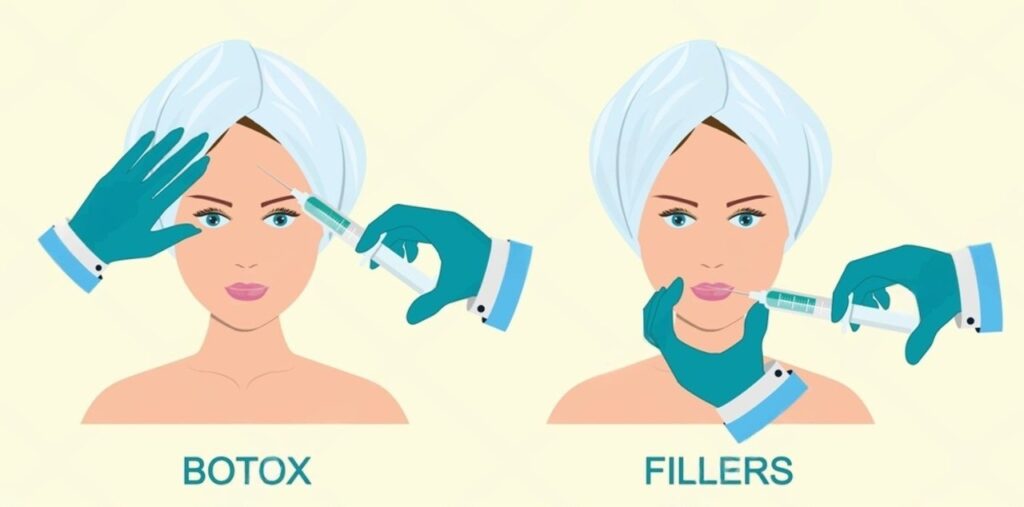
Botox is a purified neurotoxin derived from Clostridium botulinum. In dermatology, tiny doses are safely used to relax specific facial muscles responsible for expression-based wrinkles, also known as dynamic wrinkles. These include frown lines, crow’s feet, and horizontal forehead lines, areas where repetitive movement gradually etches lines into the skin.

How Botox Works?

When injected, Botox temporarily blocks nerve signals that trigger muscle contractions. As those muscles relax, the overlying skin appears smoother and less creased. The treatment doesn’t freeze your face; when administered by trained dermatologists at top dermatology clinics, it softens lines while keeping your natural expressions intact.

Benefits of Botox

  • Quick, non-surgical procedure (often 10–15 minutes)
  • Helps prevent new lines from forming by reducing repetitive muscle movement
  • Minimal downtime, most people return to routine activities immediately
  • Subtle but effective softening of expression lines

Risks & Side Effects

Botox is widely studied and considered safe when administered professionally. Mild side effects may include:

  • Temporary redness or swelling
  • Mild bruising
  • Rarely: slight eyelid drooping or headache

Understanding Dermal Fillers

What Are Dermal Fillers?

Dermal fillers are gel-based injectables used to restore volume, smooth deeper creases, and enhance facial contours. Common types include:

  • Hyaluronic acid (HA): naturally hydrating and reversible
  • Calcium hydroxylapatite (CaHA): ideal for deeper wrinkles and volume restoration
  • Poly-L-lactic acid (PLLA): stimulates collagen production for gradual improvement

These fillers replenished lost volume in areas affected by aging such as the cheeks, lips, jawline, and under-eye hollows.

How Fillers Work?

With age, collagen, fat, and bone volume diminish, leading to sagging or a sunken look. Fillers are strategically placed to rebuild structure, add lift, and restore symmetry, giving the face a more natural, youthful contour.

Benefits of Dermal Fillers

  • Immediate visible results
  • Beautiful enhancement of facial definition
  • Improves symmetry and restores youthful fullness
  • Can be tailored to subtle or more sculpted outcomes

Risks & Side Effects

Dermal fillers are generally safe when performed by board-certified dermatologists. Possible side effects include:

  • Mild swelling or redness
  • Bruising

Botox vs. Fillers: Key Comparisons

Botox vs. Fillers: Key Comparisons

Understanding the difference helps you choose the right approach, or even combine both for the best anti-aging results.

CategoryBotoxDermal Fillers
Best ForSoftening expression lines (dynamic wrinkles) caused by repetitive muscle movementRestoring facial volume, enhancing contours, and treating deeper static folds
How It WorksRelaxes targeted facial muscles by temporarily blocking nerve signalsAdds structure or volume using HA/CaHA/PLLA gels; some stimulate collagen
Results TimelineGradual improvement over 3 to 7 daysImmediate lift and contouring
Effect DurationTypically 3 to 6 monthsDepends on type & placement, usually 6 to 18 months
Areas Commonly TreatedForehead lines, frown lines, crow’s feetCheeks, lips, jawline, under-eyes, nasolabial folds
Look & FeelSmooth, soft, natural reduction of linesYouthful definition with restored fullness and contour
DowntimeMinimal; resume activities almost instantlyMild swelling or bruising possible for 24 to 48 hours
ReversibilityNot reversibleHyaluronic acid fillers can be dissolved with hyaluronidase
Ideal CandidateIndividuals with prominent expression linesThose experiencing volume loss or seeking structural enhancement

Why Do Some People Combine Both?

Leading skin clinics in Kochi often recommend a combined approach for the most natural rejuvenation:

  • Botox softens forehead and eye wrinkles
  • Fillers restore volume to cheeks, under-eyes, lips, or jawline

This creates a balanced, youthful appearance without overcorrecting any single feature.

Choosing the Right Treatment for You

Your ideal treatment depends on your primary concern:

  • If you’re noticing fine lines from repeated expressions, botox will likely be the best choice.
  • If you’re losing facial volume or see deeper lines, fillers are designed to lift, contour, and restore fullness.
  • If both concerns exist, a combination plan can offer a subtle, refreshed transformation.

Other factors to consider while choosing the right treatment:

  • Age as volume loss increases over time
  • Skin type & elasticity
  • Desired level of enhancement
  • Maintenance preferences

A trained dermatologist at a reputable cosmetic clinic in Kochi can assess your face holistically and recommend a safe, personalized plan that aligns with your aesthetic goals.

Benefits & Risks Summary

Botox offers a refined softening of expression lines and is known for being a quick, minimally invasive procedure with very little downtime. Most people experience only mild, short-lived side effects, making it a reliable choice for addressing dynamic wrinkles. Dermal fillers, on the other hand, focus on restoring lost volume and enhancing facial contours, delivering visible results immediately after treatment. While fillers may cause temporary swelling, mild bruising, or occasional lumpiness, these effects typically settle quickly when handled by trained professionals. Overall, both Botox and dermal fillers are considered safe and effective anti-aging treatments when performed by certified dermatologists, and they remain two of the most trusted options for subtle, natural-looking facial rejuvenation.

Summing Up

Botox and dermal fillers each offer unique benefits depending on whether your main concern is wrinkles or volume loss. When chosen thoughtfully and administered by experts at a top dermatology clinic, these treatments can subtly refresh your features while maintaining your natural expressions.

A personalized consultation with a trained dermatologist ensures you select the treatment, or combination, that feels right for you, your skin, and your confidence.

Frequently Asked Questions (FAQs)

  1. Which treatment works faster?

Fillers show results immediately, while Botox typically takes 3 to 7 days.

  1. Are the results natural-looking?

Yes, when performed by trained dermatologists, both Botox and fillers enhance your appearance while keeping your expressions natural.

  1. Can both treatments be done in one session?

Many dermatologists safely combine Botox and fillers in the same appointment for a balanced, refreshed outcome.

  1. Do Botox or fillers hurt?

Most people experience minimal discomfort. Botox feels like tiny pinches, while fillers may cause pressure; numbing cream can be used.

  1. How long do the results last?

Botox lasts about 3 to 6 months, and fillers last 6 to 18 months depending on the product and area treated.

Clear Aligners vs. Traditional Braces: Which is Better for You

Oftentimes, when individuals think about an orthodontic treatment, the first thing that comes to their minds is a pretty set of braces. Yes, braces can be very helpful when you consider transforming your smile. However, just like conventional braces, clear aligners are also gaining acceptance among many. Orthodontic treatments must be carried out with top priority for achieving your best and confident smile. They are not only key in correcting misaligned teeth but also for improving your overall oral health, facial beauty, self-assurance and bite function. In this article, we will discuss in more detail about braces for teeth. Along with that, you will also get a proper understanding of Clear Aligners, including the pros and cons of the two. So, continue reading to get clarity on clear aligners vs braces and which will suit you better. 

Clear aligners and traditional braces

Now speaking of both dental alignment options, we will break them down into the following facets for thoughtful consideration. 

How each of them works

Clear aligners and traditional braces

Clear aligners are dental trays mostly made of plastic. They are also custom-made to perfectly align with your teeth. The main function of clear or invisible aligners is to apply slight pressure so as to move the teeth gradually in a step-by-step manner and finally attain the desired position. Each set of these aligners is typically worn for a period of up to 6 to 18 months. To ensure and maintain their effectiveness, you must remove them while brushing, eating and drinking. 

 A dental service done using aligners is customised for an individual’s specific orthodontic requirements. Using aligners will ensure a predictable and comfortable transformation for you. You can consider clear aligners for the following:

  1. If you have gaps between teeth
  2. If you feel discomfort while clenching your teeth
  3. If your teeth are so close together that they overlap

Now, coming to the traditional braces, they work by applying a controlled and precise pressure to your teeth with the help of elastic bands, arch wires, and a system of brackets. These brackets are attached to the front side of each tooth. The arch wires run through your brackets, and it is the elastic bands that secure your arch wires. A dental service done using traditional braces involves the following facets:

  1. Initial assessment
  2. Placement of braces
  3. Periodic adjustments
  4. Treatment duration

Key differences in appearance, comfort, maintenance and treatment time

The major differences between the two options are listed as follows:

  1. Appearance

Clear aligners are mostly invisible. On the contrary, traditional braces happen to be more noticeable. 

  1. Comfort

Clear Aligners are more comfortable. This is mainly due to the smooth plastic surfaces. On the other hand, traditional braces can be a cause of slight irritation to your cheeks and gums. 

  1. Maintenance

Being removable, clear aligners allow for easier cleaning and better oral hygiene. Unlike clear aligners, traditional braces will require careful and timely cleaning around both brackets and the wires. 

  1. Treatment Time

The treatment time for an orthodontic service using clean aligners can take around 6 to 18 months. However, it can take up to 18 months to 3 years when you go for teeth alignment using traditional braces. 

Pros and cons for both options

The main pros and cons of Clear Aligners and traditional braces are as follows:

Aligners

Pros

  1. Diet

Since aligners are easily removable, your diet won’t be affected as you can consume food without any discomfort. 

  1. Hygiene

You can smoothly carry on with your routine brushing and flossing, as aligners can be removed. This ensures better oral hygiene. 

  1. Convenient orthodontic treatment appointments

The actual visits for orthodontic treatments using Clear Aligners will be minimal to nil. This is because your orthodontist has perfectly pre-planned your tooth movement and the progression of your treatment process. 

Cons

  1. Compliance

Adhering to proper compliance is required when you use clear aligners. You might have to wear them for almost 22 hours to ensure optimal effectiveness, and they can be removed only while eating or brushing. Proper compliance equals maximum results. 

  1. Effectiveness

Aligners are found to be effective in most teeth alignment treatment cases. However, there can also be times when your orthodontist might suggest for traditional braces to achieve the finest results. 

Braces

Pros

  1. Applicable for most treatment cases

Braces are always an option because using aligners won’t fetch the best results at all times. 

  1. Variety of braces

You will have the option to choose from a variety of types of braces. There are metal braces that come with and without colours. At the same time, you will also notice that the porcelain braces appear to be lesser noticeable than the usual metal braces for teeth alignment procedures.

  1. Compliance

Better compliance is ensured since braces are bonded to your teeth for a specific treatment time. So, unlike aligners, you cannot remove them and will have to wear them all the time for maximum effectiveness. 

Cons 

  1. Oral hygiene can be quite challenging

This is because you cannot remove them like aligners, and if proper brushing and cleaning are not done, that might affect your overall oral health.   

  1. Diet

With braces attached, you might have to avoid certain types of hard food items, as consuming them can cause discomfort. This fact calls for modifying your current preferred diet accordingly. 

  1. Appearance

Even the porcelain braces can appear to be more visible and noticeable. So, if you want to keep your facial look subtle without the prominence of showing braces, Clear Aligners will be a good option. 

  1. Appointments

You will have to follow up regularly with your periodic appointments for your orthodontic treatment procedures. This can become time-consuming and affect your other regular schedules. 

Ideal candidates for each option

The ideal candidates for both clear aligners and traditional braces can be identified as follows:

  1. Candidates for Clear Aligners 

Individuals with moderate dental problems, such as spacing, minor bite misalignments and overcrowding of the teeth, can be identified as ideal candidates who will require aligners. 

  1. Candidates for traditional braces

Individuals with more specific dental issues, children, teenagers and adults with complex teeth misalignment problems can be counted as the ideal candidates who require traditional braces. 

Orthodontic service cost comparison between clear aligners and traditional braces

Depending on the quality of services and professional speciality, the cost range for getting clean aligners can usually range from INR 50,000 to INR 3,00,000. On the other hand, the cost range for getting traditional braces can range between INR 18,000 to INR 60,000. 

Factors to consider while choosing between Clear Aligners and traditional braces

The factors to consider while choosing between the two options are as follows:

  1. Treatment case complexity

The severity of bite issues and dental misalignment complexities will rightly determine how to choose between the two options, and which will be effective for you. 

  1. Comfort and aesthetics

Definitely invisible aligners prove to be a better aesthetic and discreet solution for you. On the other hand, braces are ideal and effective for dealing with complex cases of tooth misalignment. However, they are less comfortable with minimal priority to aesthetics. 

Conclusion

The best decision to make when it comes to choosing between these two options depends on the professionalism of an expert orthodontist. Your choice also rightly depends on your specific dental requirements and lifestyle preferences. Both clear aligners and traditional braces have their own sets of advantages. Book an appointment at Novocare India now for your orthodontic treatment and get ready to redefine your smile. 

FAQs

  1. How do aligners work?

The orthodontic treatment using aligners involves a group of smooth plastic trays that are custom-made for fitting to your teeth. You will start experiencing the positive results within almost couple of weeks of regular usage.

  1. Which are most effective, Clear Aligners or conventional braces?

Both these orthodontic treatment procedures are effective for rectifying teeth misalignment. However, the right choice specifically depends on your case.

  1. Can I switch from aligners to braces or the opposite during the middle of my treatment?

Yes, you can. It is because in some cases, people who start by using braces for their dental problems, switch to aligners mainly for aesthetic reasons. Proficient orthodontic doctors provide modern hybrid plans for facilitating such preferences. 

  1. What would be the typical treatment time for aligners and braces?

Using aligners might take up to almost 6 to 18 months where whereas braces will take up to 18 months to 3 years for providing the finest results. The duration also depends on how exactly you cooperate with both options.

  1. What are the two popular choices for traditional braces?

You can either opt for metal braces or go for porcelain braces. Metal braces come in both coloured and colourless variants. Porcelain braces are a good choice because it is less noticeable compared to the metallic braces. 

Best Skin Rejuvenation Treatments for Glowing, Youthful Skin


Glowing skin isn’t just a beauty goal, it’s a sign of healthy, well-nourished skin that reflects how you feel inside. But as life gets busier, and as sun exposure, stress, and ageing catch up, your skin may start to look dull or uneven. Pigmentation, fine lines, and texture changes are common, but they are completely treatable.

With today’s advanced dermatology solutions, there are several rejuvenation treatments that can safely and effectively revive your skin’s natural brightness.

If you’re exploring options to refresh your complexion, fade pigmentation, or reduce early ageing, this guide breaks down the most reliable treatments to help you understand what suits your skin best.

What Is Skin Rejuvenation?

Skin rejuvenation refers to treatments that help brighten, smooth, tighten, and refresh the skin. These options work by improving collagen, correcting pigmentation, healing sun damage, and boosting hydration.

Some treatments work on the surface (like chemical peels), while others reach deeper layers (like lasers and microneedling). The best choice depends on your skin type, concerns, and comfort with downtime.

Top Skin Rejuvenation Treatments for a Youthful Glow

Here are the top advanced skin rejuvenation treatments that you can pick from:

1. Laser Skin Resurfacing

Laser resurfacing uses focused light to remove damaged skin layers and stimulate fresh collagen. It delivers some of the most noticeable improvements in texture and ageing.

Types of lasers:

  • Ablative lasers (CO₂, Er:YAG): remove the top skin layer for deeper correction
  • Non-ablative lasers: heat deeper layers without affecting the surface

Benefits:

  • Smooths wrinkles and fine lines
  • Reduces acne scars and sun spots
  • Evens out rough or patchy texture
  • Long-lasting results when maintained properly

Best for: wrinkles, scars, pigmentation, rough texture

2. Chemical Peels

Chemical peels exfoliate the skin using safe dermatology-grade acids. They reveal fresher, brighter skin and can be tailored to mild or more stubborn concerns.

Types of peels:

  • Light peels (glycolic, lactic): brighten dull skin with zero downtime
  • Medium peels (TCA): target pigmentation, tanning, acne marks
  • Deep peels: correct deeper wrinkles and sun damage

Benefits:

  • Instant glow and smoother skin
  • Lightens dark spots and uneven tone
  • Helps with tanning and mild acne marks
  • Significantly boosts radiance with regular sessions

Best for: dullness, pigmentation, uneven tone

3. Microneedling (with or without PRP)

Microneedling uses tiny needles to create micro-channels that push your skin to rebuild collagen and elastin. Adding PRP (your own growth-factor-rich plasma) enhances healing and glow.

Variants:

  • Microneedling alone: improves texture and fine lines
  • Microneedling with PRP: boosts glow and speeds repair

Benefits:

  • Reduces acne scars
  • Minimises enlarged pores
  • Smooths rough texture
  • Gives a fresh, youthful radiance

Best for: scars, pores, fine lines, dullness

4. HydraFacial

HydraFacial is a gentle, zero-downtime treatment that deeply cleanses, exfoliates, and hydrates your skin in a single session.

Benefits:

  • Gives an Instant, fresh glow
  • Removes congestion and blackheads
  • Hydrates dry or dull skin
  • Safe even for sensitive skin

Best for: pre-event glow, dryness, clogged pores

5. Botox & Dermal Fillers

These anti-ageing essentials smooth lines and restore natural volume without changing your facial character.

Benefits of Botox: 

  • Relaxes wrinkle-forming muscles
  • Smooths forehead lines, frown lines, crow’s feet

Benefits of Fillers (Hyaluronic Acid):

  • Restore cheek and under-eye volume
  • Smooth deeper folds
  • Enhance lips and contour the jawline
  • Get quick results with minimal downtime 

Best for: ageing signs, hollow under-eyes, deep lines

6. LED Light Therapy

LED therapy delivers targeted wavelengths: blue (415 to 450 nm) for acne, red (620 to 700 nm) for healing, and near-infrared (700 to 900 nm) for deeper rejuvenation, offering a completely non-invasive way to rejuvenate and improve skin health.

Types:

  • Red light: boosts collagen and reduces inflammation
  • Blue light: targets acne-causing bacteria
  • Near-infrared: supports healing and reduces redness

Benefits:

  • Improves firmness and glow
  • Reduces redness and sensitivity
  • Helps control active acne
  • Absolutely no downtime

Best for: sensitive skin, redness, acne, early ageing

How to Choose the Right Treatment for Your Skin?

Choosing the right treatment depends on what your skin needs most. Here are a few simple ways to understand what may be ideal for you:

  • If your skin looks dull or tired: Treatments like HydraFacial or light chemical peels may help boost hydration and instantly refresh your glow.
  • If pigmentation or uneven tone is your main concern: Medium chemical peels or non-ablative laser treatments can help target deeper pigment and smooth discoloration.
  • If you’re dealing with acne scars or rough texture: Microneedling (with or without PRP) or fractional laser treatments may help rebuild collagen and improve skin smoothness.
  • If you’re noticing early signs of ageing such as fine lines: Microneedling, LED therapy, or mild resurfacing options may help improve firmness.
  • If deeper lines or visible ageing signs bother you: Botox and dermal fillers can restore volume and soften wrinkles naturally.

These suggestions are only a starting point. The safest and most effective approach is always to consult a certified dermatologist, who can examine your skin, understand your concerns, and design a personalised treatment plan that suits your skin type, sensitivity, and goals. Personalised care ensures you get results that are safe, natural-looking, and long-lasting.

Post-Treatment Care Tips

Dermatologist treatments work deeper within the skin, so they often need a little extra care for healthy healing and long-lasting results. Here are some basic things to keep in mind to support your skin after a rejuvenation procedure:

  • Use a gentle, fragrance-free cleanser
  • Apply a soothing, hydrating moisturizer
  • Avoid harsh scrubs or exfoliants for a few days
  • Wear sunscreen (SPF 30+), even indoors
  • Stay well-hydrated
  • Avoid very hot showers, steam rooms, and saunas
  • Don’t pick or peel flaking skin
  • Minimise makeup for 24–48 hours (based on your treatment)
  • Follow your dermatologist’s specific after-care instructions

A simple, mindful routine helps your skin recover comfortably and maintains the results for longer.

Summing Up

Skin rejuvenation helps you bring out the healthiest version of your skin, brighter, clearer, and more youthful. Whether you want an instant glow or deeper correction, today’s treatments offer safe, effective options for every skin type. Consult a certified dermatologist, understand what your skin truly needs, and choose a personalised plan that helps you feel confident every day.

FAQs

1. Which treatment gives the quickest glow?

HydraFacial and light chemical peels offer immediate radiance but you should consult your dermatologist for a proper treatment. 

2. What’s best for pigmentation?

Medium peels, microneedling, and non-ablative lasers work well depending on the depth of pigmentation.

3. Are these treatments painful?

Most treatments use numbing, so they’re usually comfortable with mild tingling at most. 

4. How many sessions do I need?

Here’s the general approach. You may need monthly sessions for Hydra Facial. Around 4-6 sessions for Microneedling and Chemical peels. Around 3-6 sessions of laser depending upon your concern.

5. Is it safe for sensitive skin?

Yes. All the treatments are safe for sensitive skin. But you should always speak with your dermatologist to understand the ideal procedure as per your current skin condition.